



Cleaning Around Door Seals
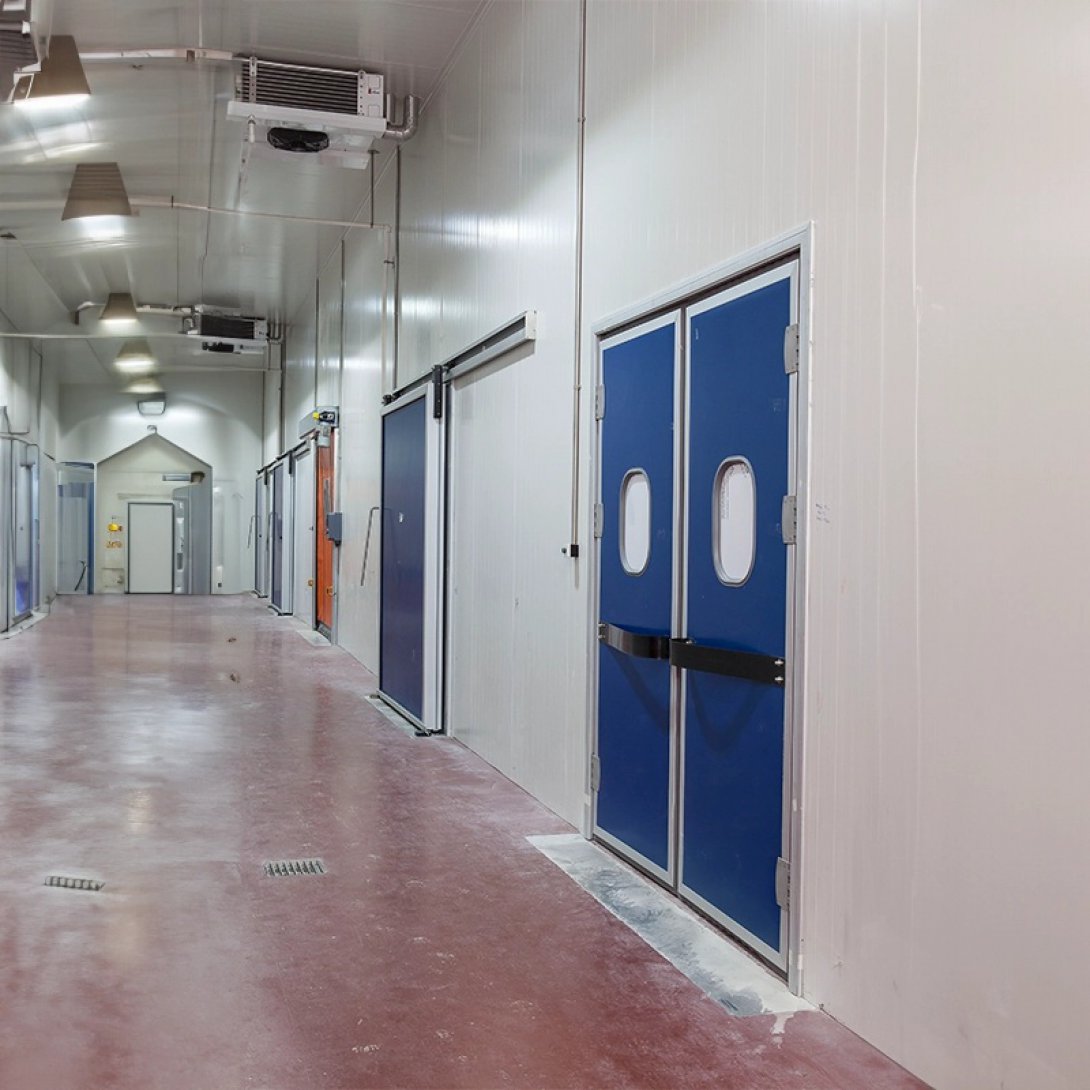
Cleaning Around Door Seals
The main door surface may look clean while residue remains along a seal edge. During the next pass with a cloth, the same mark appears again. Before scrubbing harder, check whether you are dealing with removable dirt, a damaged seal or material trapped at its mounting.
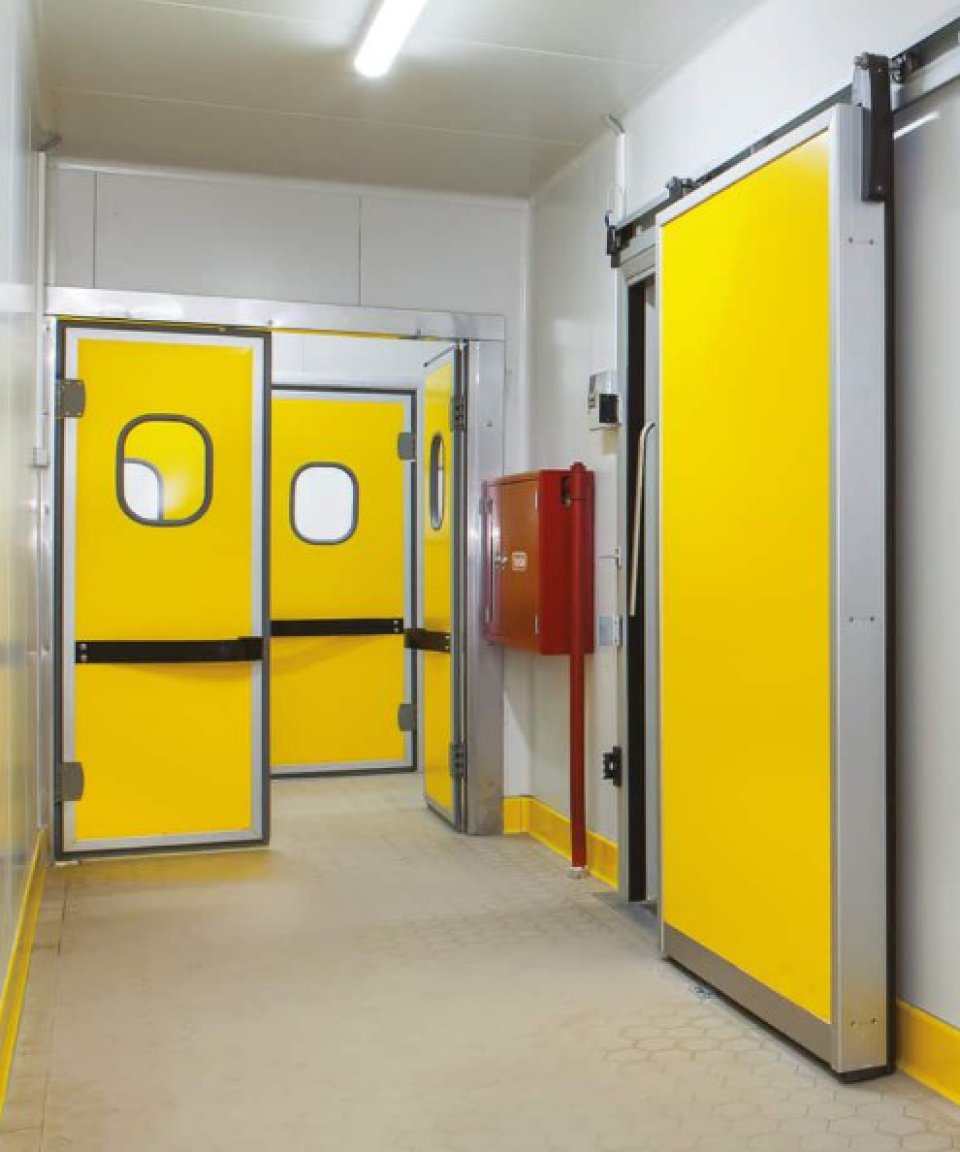
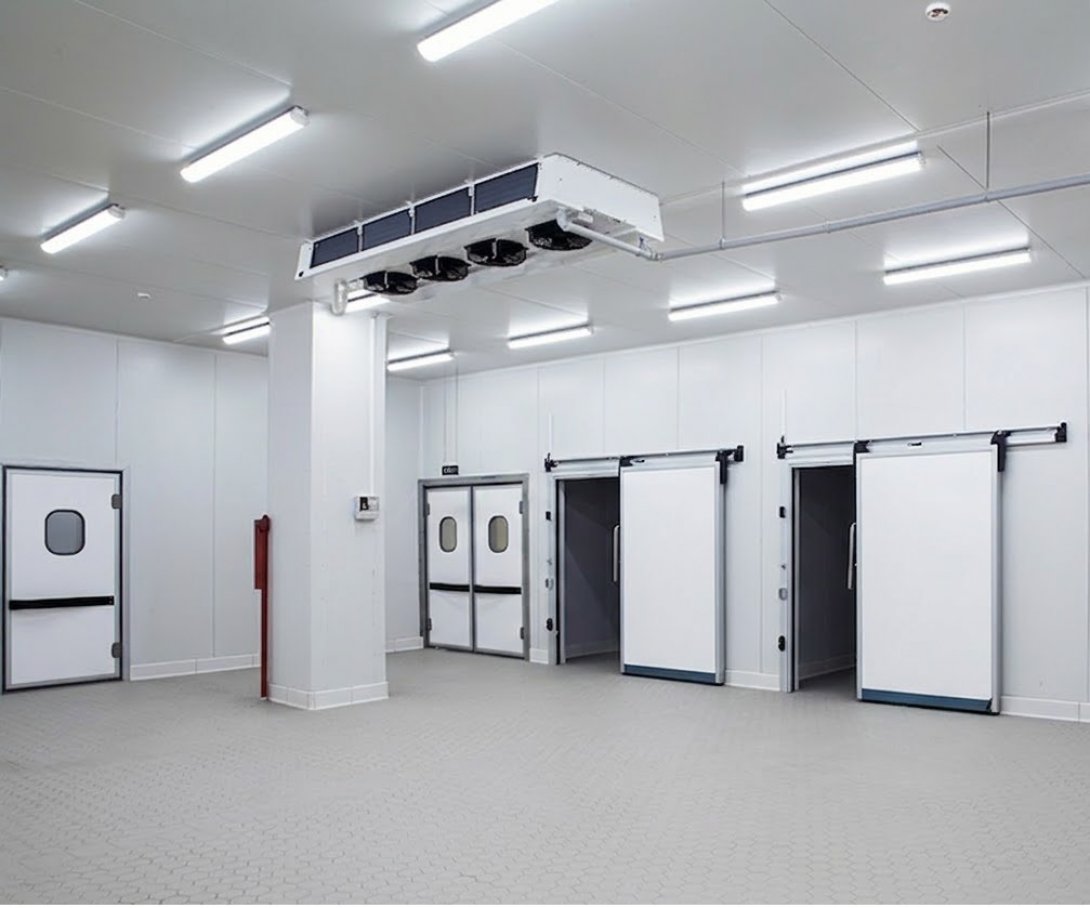
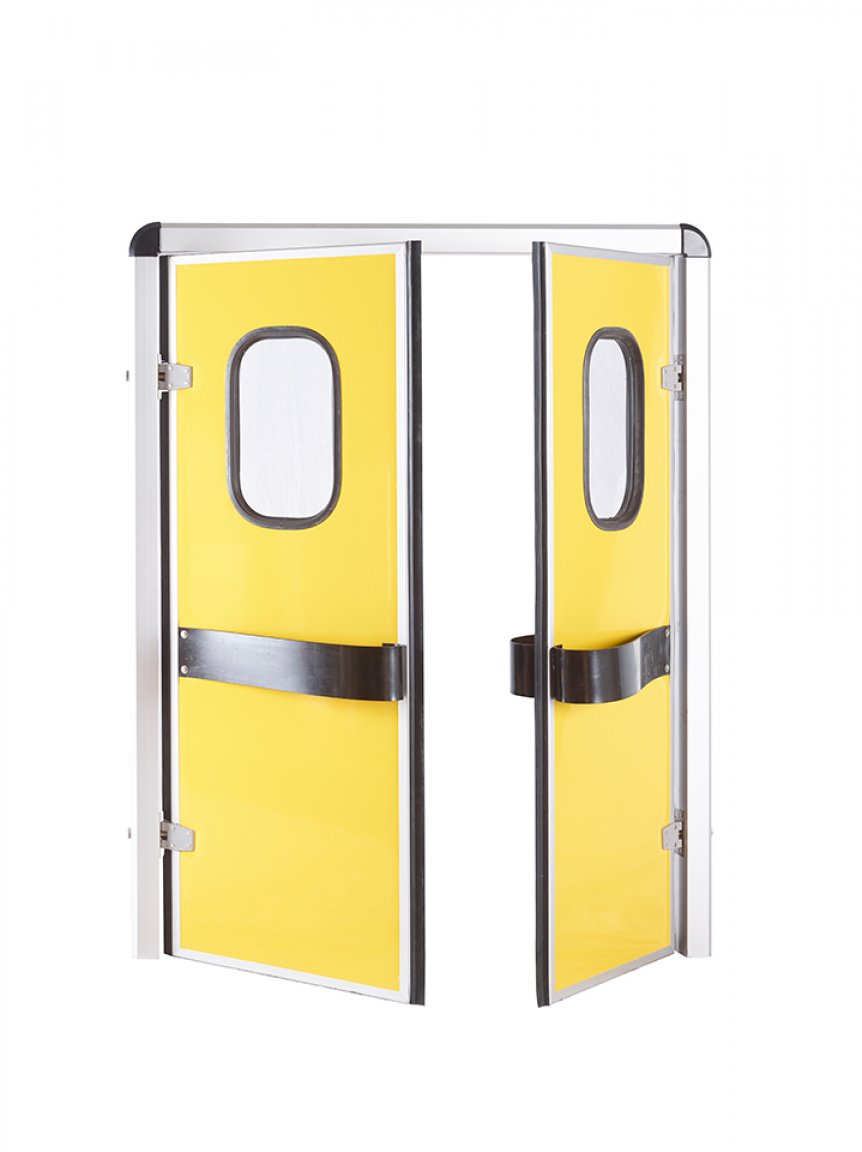
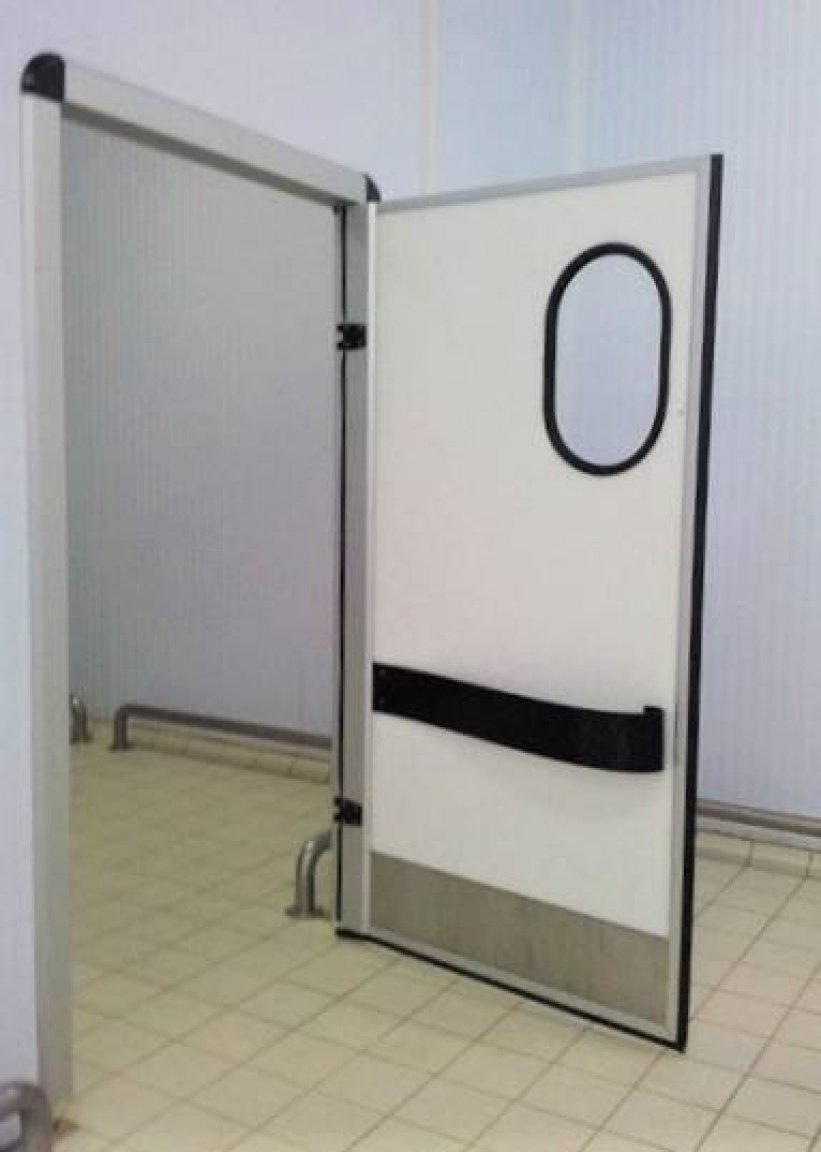
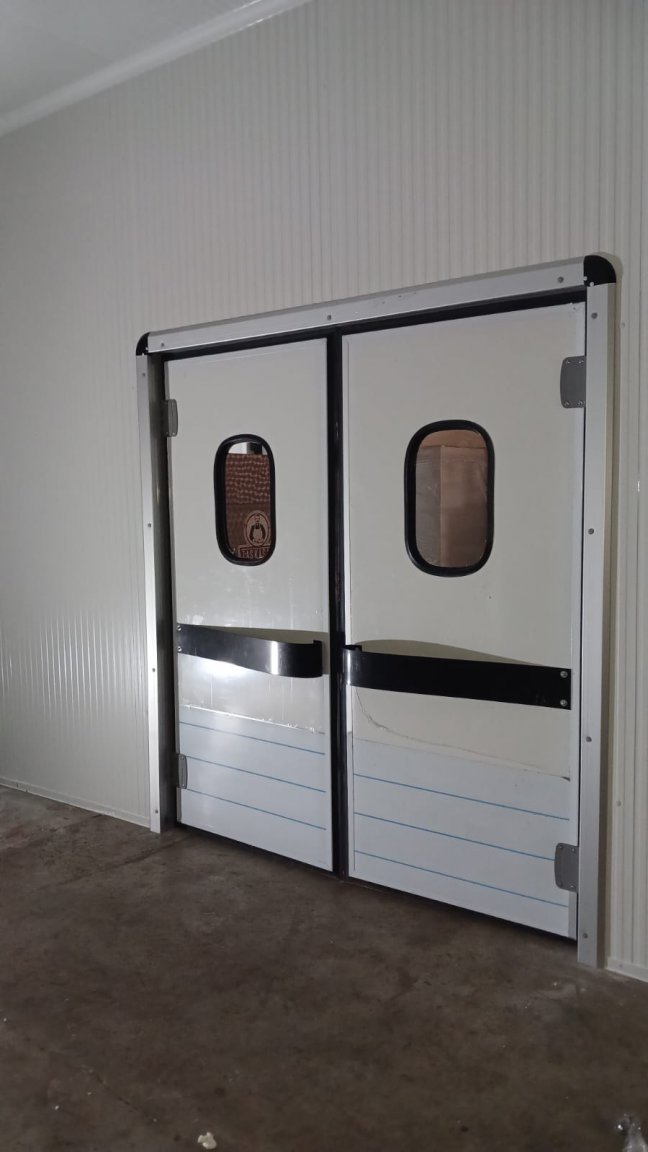
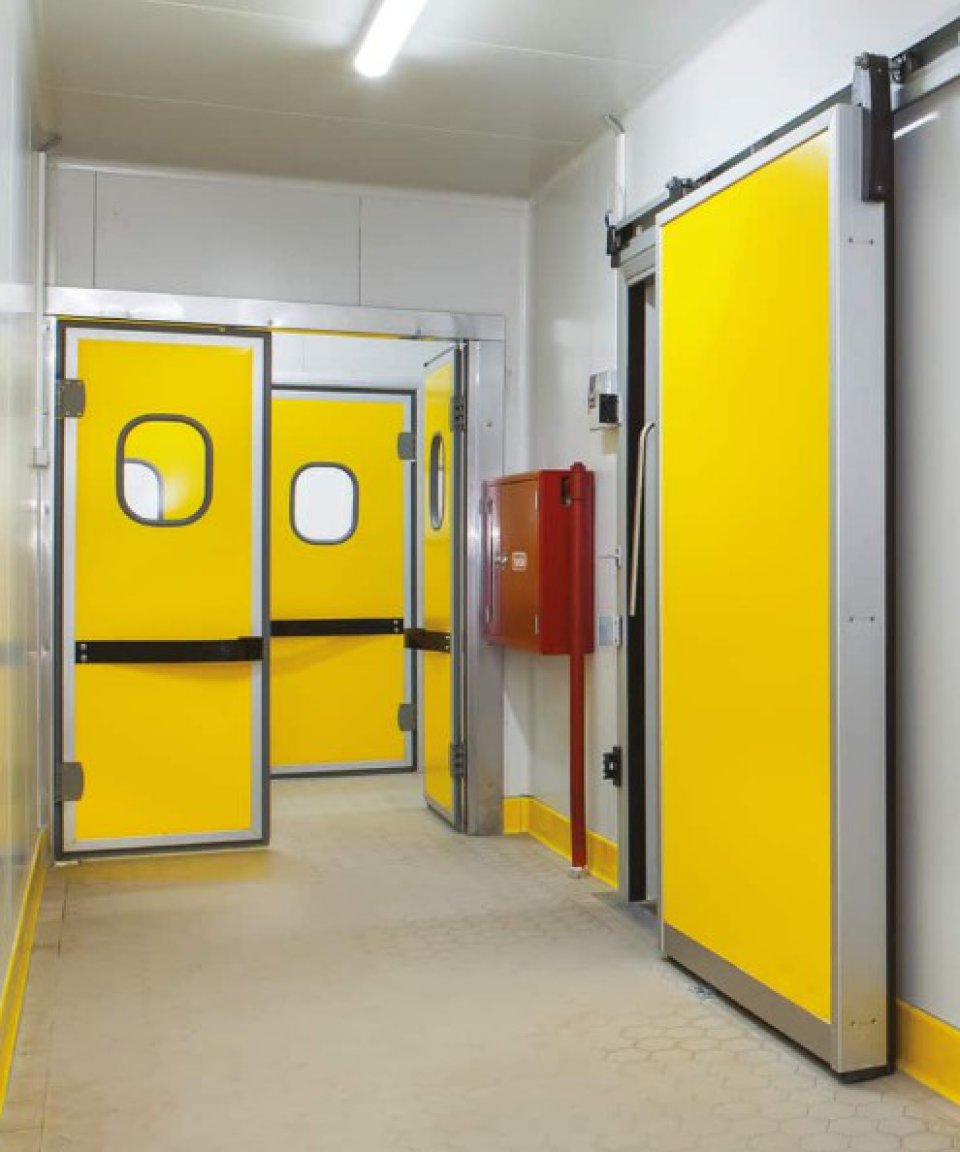
On insulated swing doors, effective cleaning reaches both the fitted seal and the surface it meets, without pulling either out of position.
Make the Edge Accessible
Arrange cleaning during a suitable pause in traffic and secure the door using the site’s approved method. Do not depend on someone noticing you behind a moving leaf.
Check which seals are fitted. Perimeter, meeting-edge and bottom details vary by model. Work along the visible sections, paying attention to joins and ends where a quick wipe can miss residue.
Avoid pulling a seal from its retainer to reach a hidden area unless the maintenance instructions permit removal.
Match the Cleaner to Materials
A cleaner suitable for the door facing is not automatically suitable for its seals. Use products approved for the complete assembly, at the specified concentration and contact time.
For routine wiping, a soft cloth or non-abrasive sponge with a compatible cleaning solution provides a controlled method. If residue resists the first wipe, confirm an appropriate treatment instead of reaching for a stronger chemical or sharp scraper.
High-pressure washing or steam should only be used where the complete door assembly and its cleaning instructions allow it.
Clean the Contact Surface Too
Wipe the accessible seal and the adjacent surface it meets. Otherwise, residue left on the frame or opposite leaf can transfer back during operation.
Work gently along the seal rather than dragging across a thin lip. Change dirty cloths so removed residue is not spread along the next section.
Follow the required rinsing and disinfection steps in the approved site procedure. A clean appearance alone does not confirm disinfection. Finish by removing excess water as directed, including water collected around the opening.
Know When Cleaning Will Not Help
A split, detached section or persistent change in shape needs inspection, not heavier scrubbing.
If a seal remains unusually sticky or swollen after residue has been removed, record the cleaner used and ask maintenance to assess its condition. That information can help distinguish a material problem from dirt remaining on the surface.
Recurring marks at one point may also indicate rubbing against an adjoining surface. Photograph the location rather than trimming or gluing the seal as a cleaning fix.
Finish With an Operating Check
Once cleaning is complete and the area is ready to reopen, release the door using its normal operating method. Check that fitted seals remain seated and are not folded or trapped during movement.
Note any areas that could not be reached. Arrange access through maintenance rather than quietly leaving those sections out of the cleaning routine.
For product information, see Insulated Swing Doors from Frigovetta Refrigeration System. Keep the approved cleaning instructions with the door record so different shifts use the same method.