



Checking Hinges During Routine Maintenance
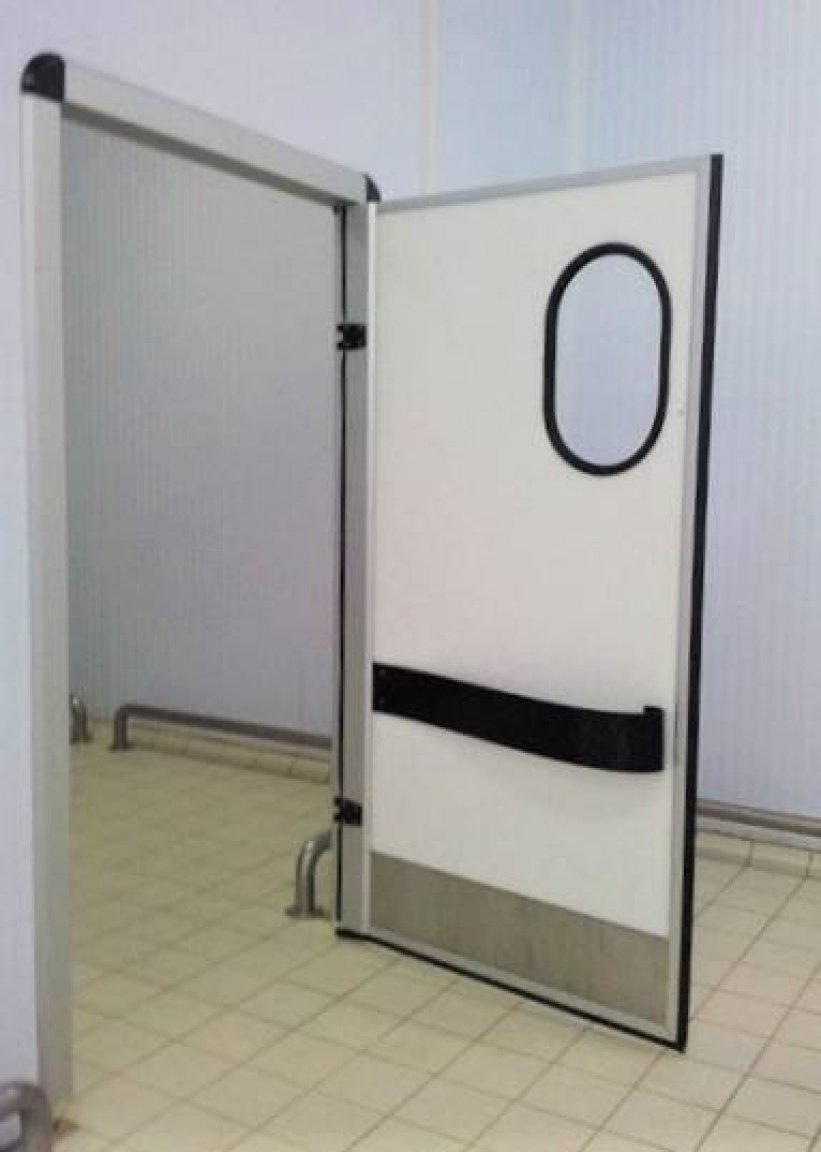
Checking Hinges During Routine Maintenance
A door can still open and close while a hinge connection begins to loosen. During a busy shift, a small click or movement at a mounting plate is easy to miss. Routine hinge checks give staff a chance to notice those changes before they become a larger repair.
For insulated swing doors, the useful question is not simply whether the door works. It is whether the hardware looks and moves as it should for that model.
Know What Normal Looks Like
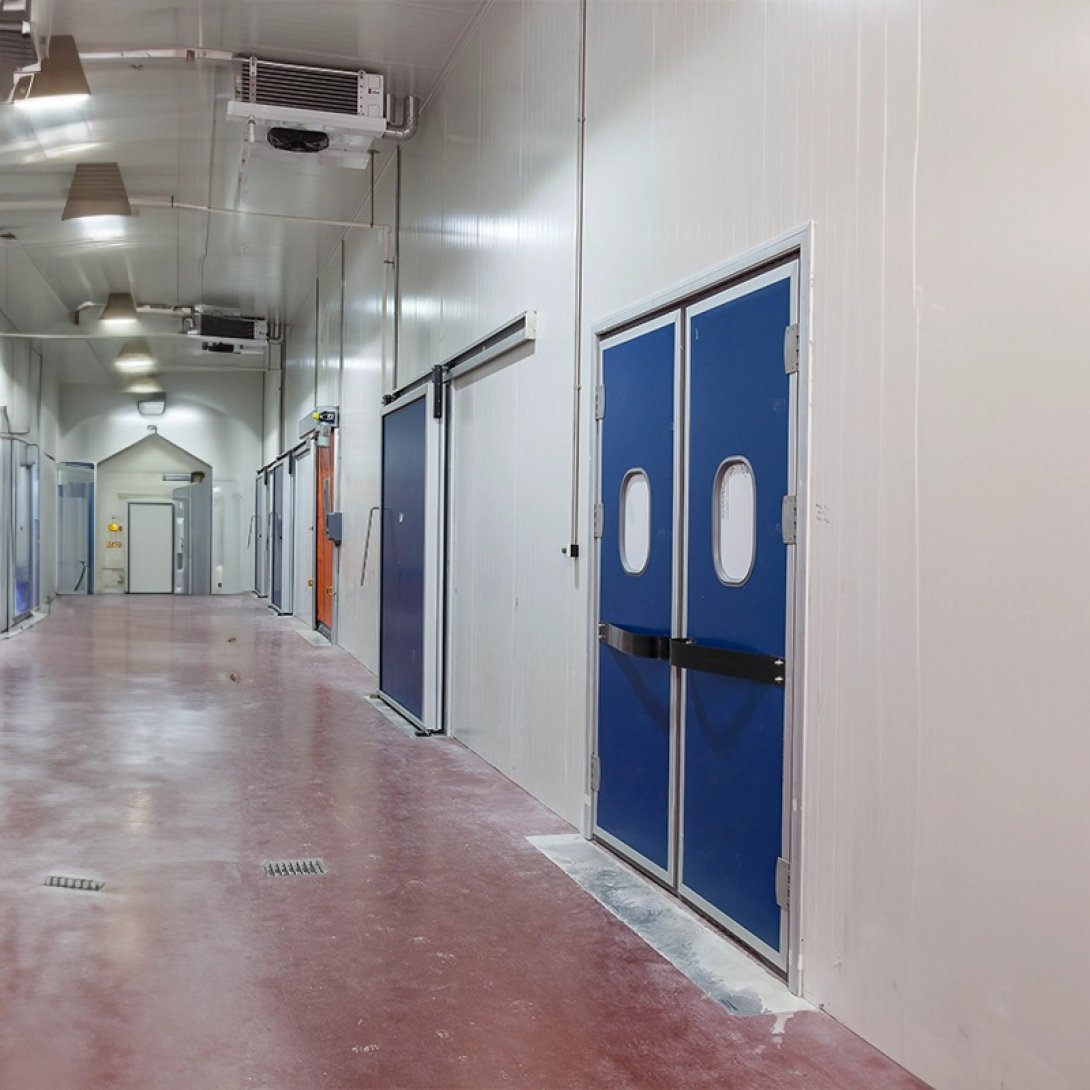
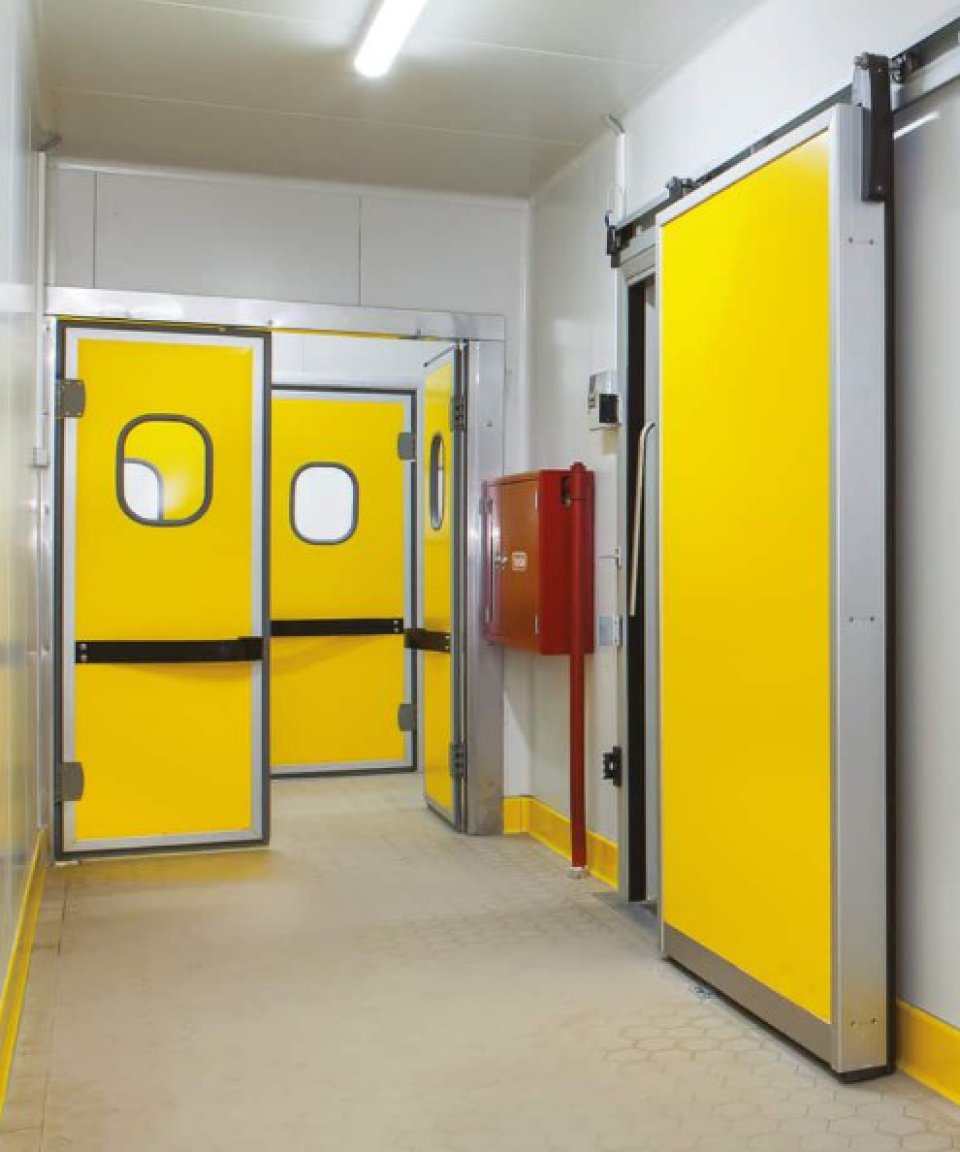
Keep a record of the installed door and hinge model, along with photographs of accessible upper and lower connections taken after commissioning or an accepted repair. These provide a reference for later inspections.
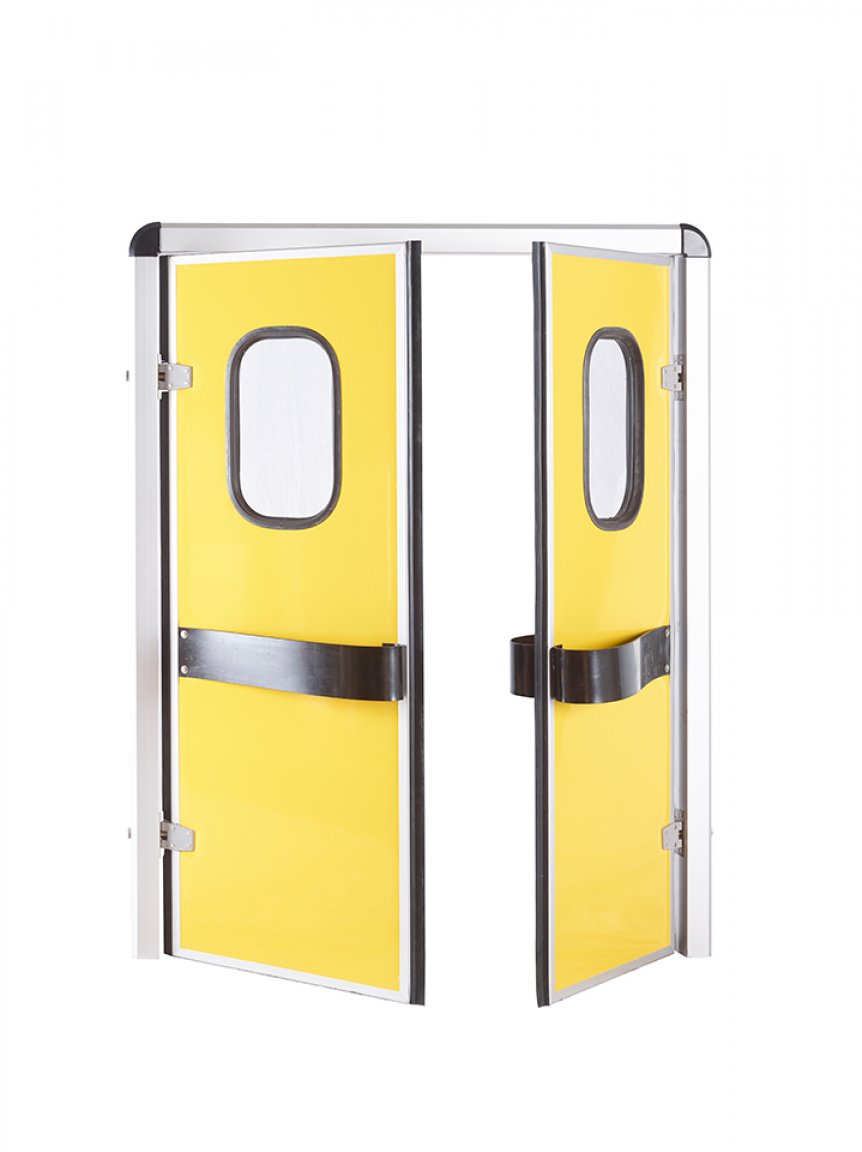
Some cam-lift mechanisms deliberately raise the leaf as it opens. That expected movement should not be confused with a loose mounting. What matters is an unintended change from normal operation.
Look at the Fixed Parts
Choose a quiet period and arrange the check so others cannot enter the door’s sweep unexpectedly. With the leaf stationary, inspect accessible brackets and visible fixings without removing covers.
Look for:
- Missing fasteners.
- Gaps developing around mounting plates.
- Cracks or distortion in accessible components.
- Fresh marks beside a connection.
A mark alone does not prove that something is loose, but a new one deserves attention.
Do not test a suspect hinge by pulling or lifting the leaf. If a bracket visibly moves against its mounting or a fixing is missing, take the doorway out of normal use and arrange an assessment.
Notice Changes in Movement
Where the initial visual check finds no concern, observe normal movement from outside the sweep. A new knock, rough patch or change in how the leaf rises can give maintenance useful evidence.
Note when it happens: at the start of movement, midway through the swing or as the leaf returns. “A click at the upper hinge as the door starts moving” is more useful than “the door sounds different.”
Noise does not necessarily mean a bearing needs lubrication. Loose connections or worn parts may produce similar symptoms, so applying lubricant should not be the automatic response.
Separate Inspection From Servicing
An operator’s visual check does not replace the manufacturer’s maintenance procedure. Accessing bearings, checking internal wear, tightening fixings and replacing parts should be handled by maintenance personnel following the instructions for the installed hardware.
Those instructions determine the lubricant, service points, tightening requirements and whether the leaf needs support during work. Similar-looking doors can use mechanisms with different servicing needs.
Keep a Useful Record
A short, consistent record makes changes easier to follow.
| Record | Useful detail |
|---|---|
| Door identification | Location and door reference |
| Inspection point | Upper hinge, lower pivot or mounting connection |
| Observation | What changed and when it occurs |
| Supporting evidence | Photograph or short video, where appropriate |
| Follow-up | Action taken and person responsible |
Inspection frequency should follow manufacturer guidance and site conditions. High traffic, frequent washdown or recent contact with handling equipment may justify additional checks.
After a repair, record the work and confirm normal operation before returning the doorway to service. This gives the next inspection a clear reference point.
For product information, see Insulated Swing Doors from Frigovetta Refrigeration System. Keep the correct hardware documentation with the door’s maintenance record so staff can identify the installed mechanism when reporting a concern.