



Walk-In Freezer
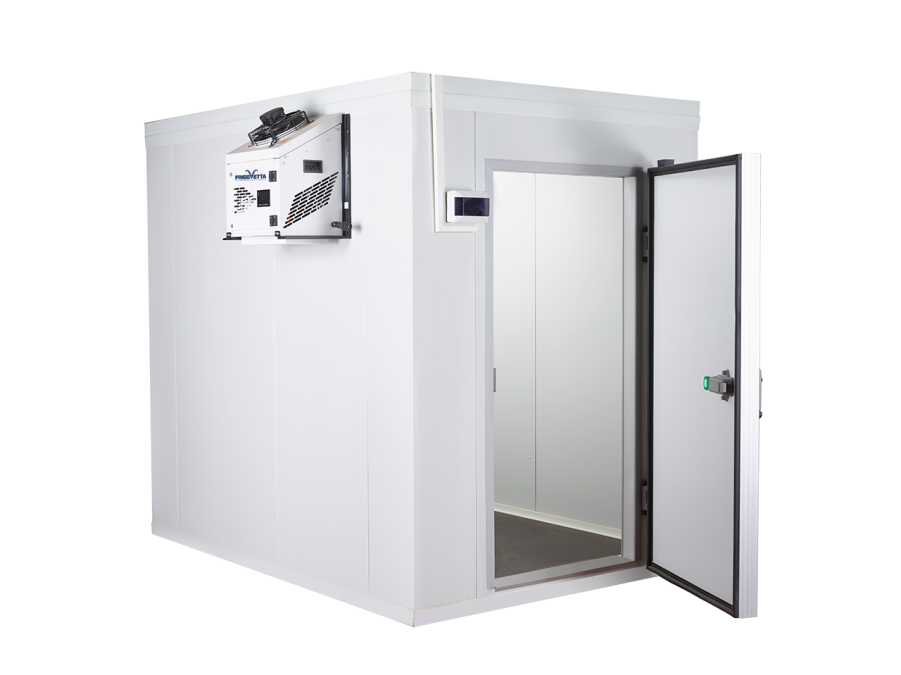
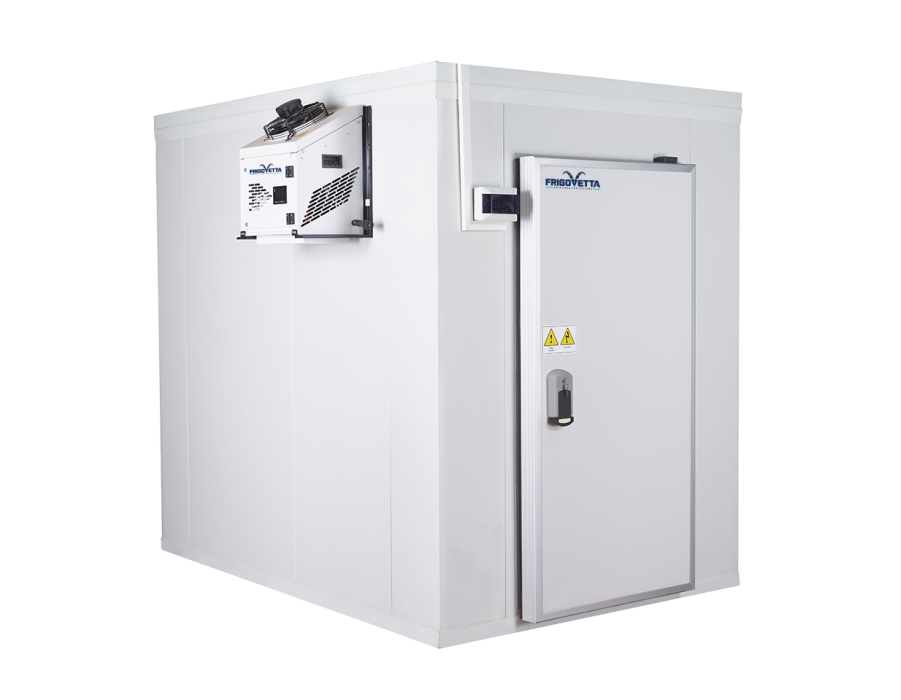
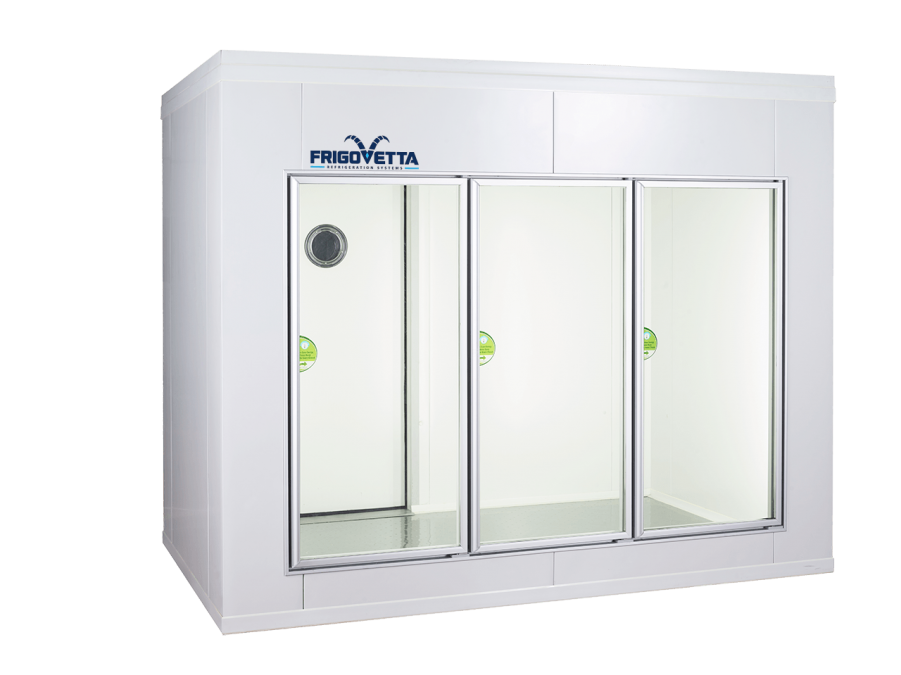
A walk-in freezer provides enclosed, low-temperature storage for products that need to remain frozen. Its insulated construction, freezer-duty door and refrigeration system work together to maintain the specified storage conditions while allowing staff to enter, organise stock and handle deliveries.
The room must suit both the goods and daily handling routines. A kitchen collecting small quantities throughout a shift has different access patterns from a distribution facility receiving bulk frozen deliveries. Those differences influence the opening, internal layout and refrigeration load before the room dimensions are finalised.
Storage for Frozen Products
Storage temperature is specified according to the products and their handling requirements. Room air temperature and product core temperature are different measurements; the room setting alone does not describe the condition of every item placed inside.
A walk-in freezer intended to hold already-frozen stock also has a different duty from equipment designed to freeze warm products rapidly. Where a defined freezing time is required, Blast Freezer Refrigeration Systems should be assessed for that process. Increasing the size of a storage room or lowering its setpoint does not establish rapid-freezing capability.
Frigovetta Refrigeration System manufactures walk-in freezer solutions around the required storage duty, with enclosure and equipment selections coordinated for the project.
Door Access and Moisture Control
Opening a freezer door allows warmer, moisture-bearing air to enter. The amount depends on the surrounding conditions and how the opening is used. Frost around the doorway or on equipment can therefore involve access patterns as well as the condition of the installed components.
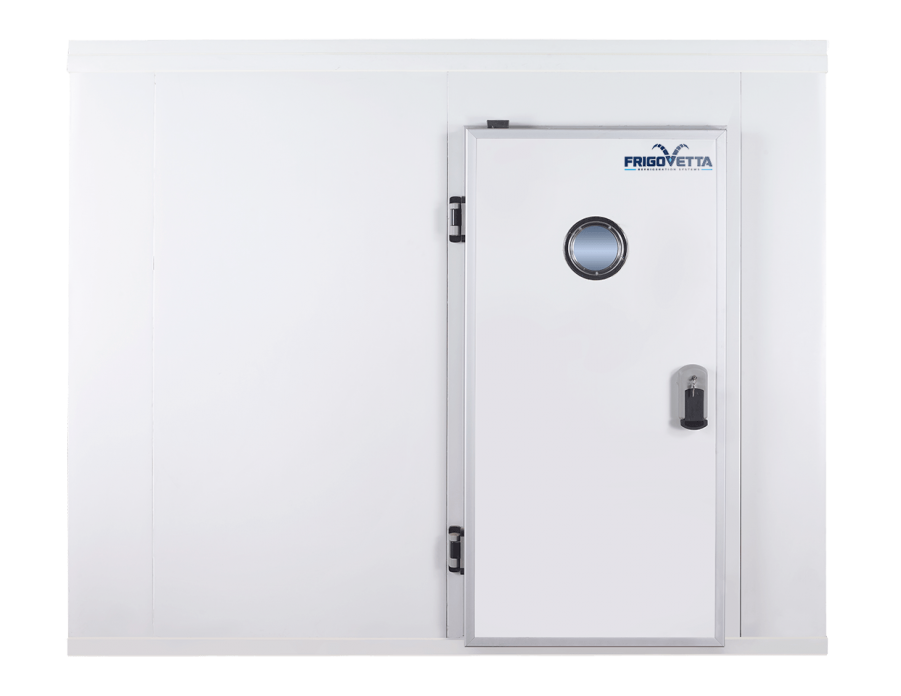
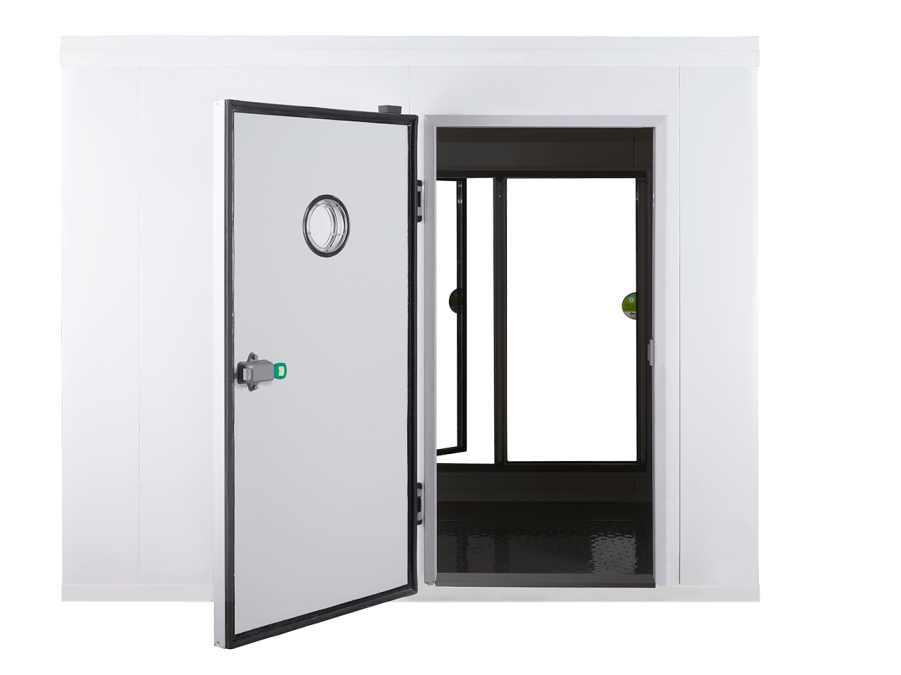
Frigovetta freezer door configurations include heating provisions to help limit freezing at the relevant sealing areas. The heater arrangement follows the selected door design; it does not remove the need for correct closure, sound seals and sensible loading routines.
Hinged or sliding doors can be considered according to the opening and available clearance. Planning space for incoming goods outside the entrance allows staff to prepare a load before opening the door, rather than leaving it open while containers are sorted.
Insulation Through Walls and Floor
A freezer enclosure needs coordinated wall, ceiling and floor details. Panel thickness, joints and moisture-control measures are selected for the intended operating conditions. An existing cooler should not be assumed suitable for freezer use simply because its refrigeration controls allow a lower setting.
The supporting floor construction also needs assessment. Insulation and vapour control must suit the project, with any required protection against freezing beneath the room determined through the floor design.
Stainless steel or chequered aluminium floor surfaces can be considered for the application. Shelving feet and trolley wheels create concentrated loads, so surface finish alone cannot establish whether the complete floor arrangement is suitable for the intended traffic.
Low-Temperature Refrigeration and Stock Layout
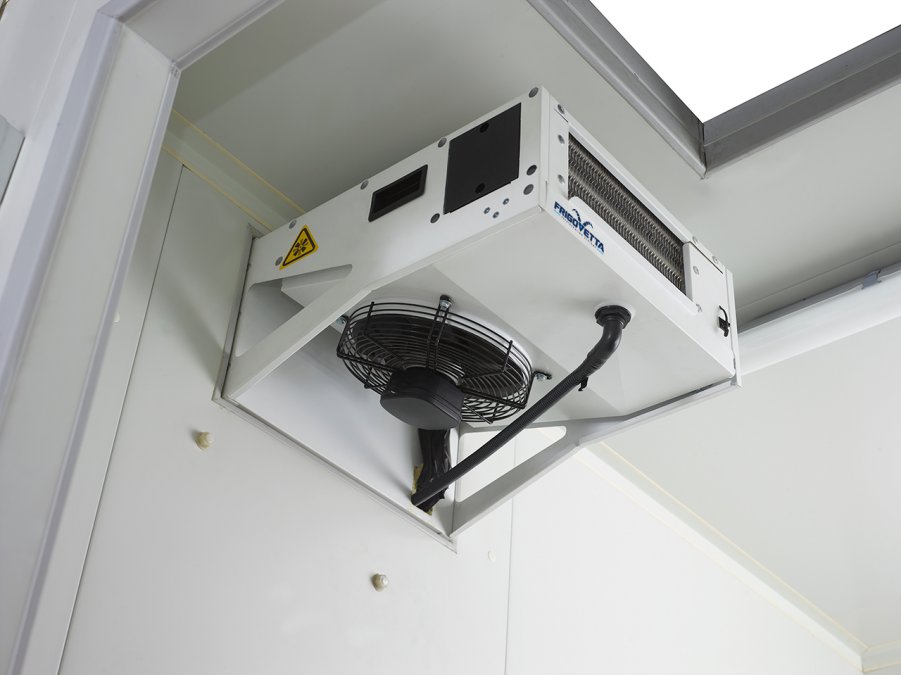
Refrigeration selection accounts for the enclosure, surrounding temperature, incoming goods and daily operation. A suitable low-temperature monoblock or split arrangement can be evaluated against the calculated duty and installation constraints.
Evaporator positioning, defrost arrangements and condensate handling need to be coordinated with freezer operation. Service access should remain available after shelving is installed, and stored goods must not obstruct the airflow required by the selected equipment.
Inside the room, clear product locations help staff find and retrieve stock without repeatedly moving other containers. The receiving area, shelf arrangement and door position should form a practical route through the space.
For a project specification, provide the product type, required storage conditions, incoming product temperature, daily loading quantity and handling method. These details establish what the freezer must do during a normal working day, including the periods when deliveries and stock retrieval overlap.
| Feature | Configuration / Selection Basis |
|---|---|
| Product type | Walk-in freezer for frozen product storage |
| Storage temperature | Selected for the stored products and project requirements |
| Room dimensions | Specified around stock quantities, handling equipment and available space |
| Enclosure | Insulated wall and ceiling panels specified for freezer duty |
| Panel specification | Thickness, surface finish and junction details selected for operating conditions |
| Door options | Hinged or sliding, subject to opening dimensions and installation clearance |
| Door heating | Heating provisions at the relevant sealing areas, according to the selected freezer door design |
| Floor construction | Insulation, vapour control and load capacity assessed for the installation |
| Floor surface options | Stainless steel or chequered aluminium where suitable for the application |
| Refrigeration configuration | Suitable low-temperature monoblock or split system selected for the calculated duty |
| Defrost and condensate handling | Coordinated with the selected equipment and installation |
| Internal layout | Shelving and handling routes arranged to preserve airflow and service access |
- Dedicated frozen storage: Provides an enclosure and refrigeration arrangement selected for the required frozen-product conditions.
- Support for reliable door operation: Appropriate heating provisions help limit freezing at vulnerable sealing areas.
- Reduced heat transfer: Insulated construction helps limit heat entering through the enclosure.
- Storage suited to daily handling: Door and floor selections can account for the goods, containers and equipment used on site.
- Easier stock retrieval: Defined product locations help reduce unnecessary searching and rearrangement inside the room.
- Coordinated freezer operation: Refrigeration, defrost and condensate handling are considered together during equipment selection.
Galeri