



Blast Freezer Refrigeration Systems
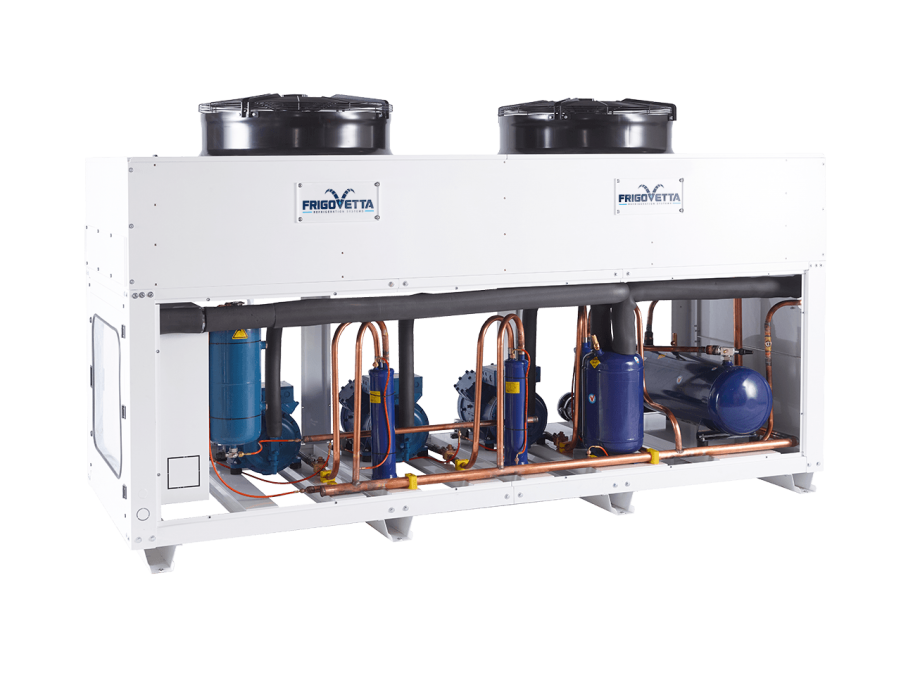
Blast freezer refrigeration systems remove heat from products rapidly using low-temperature air and forced circulation. Designed for active product freezing, they are sized around the quantity of goods entering the room, their initial temperature and the required final core temperature.
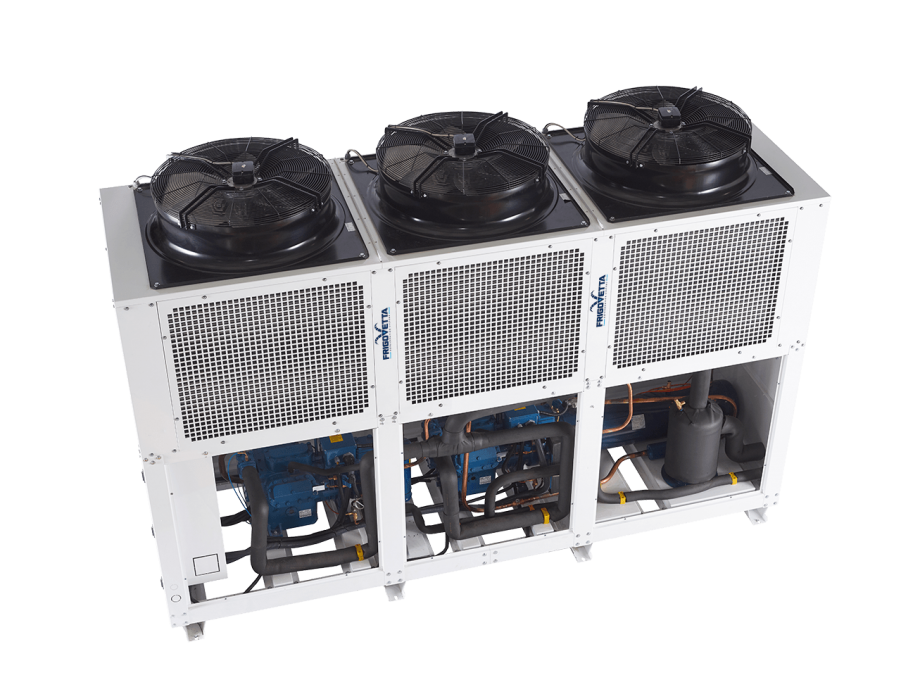
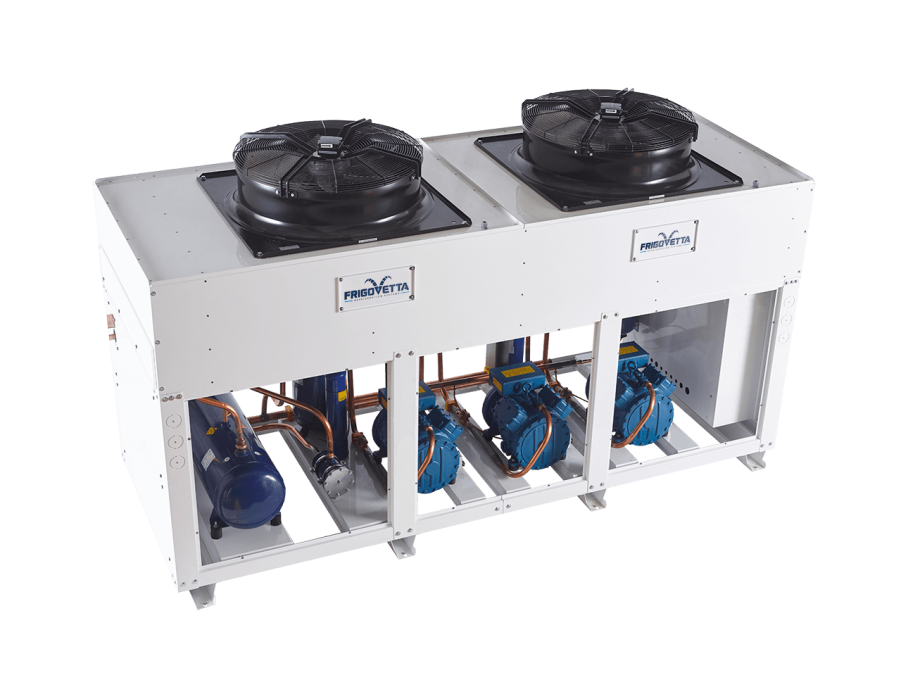
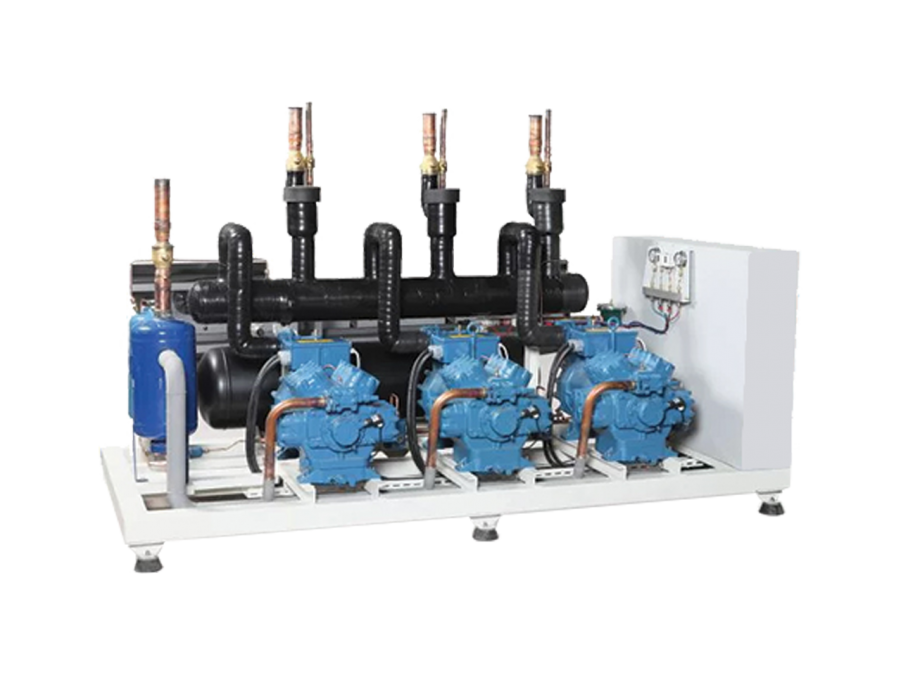
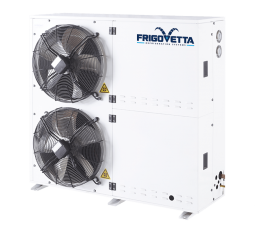
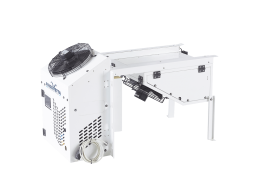
Frigovetta Refrigeration System manufactures blast freezer refrigeration systems for food freezing applications. Refrigeration capacity, evaporator selection and airflow arrangements are matched to the product, loading pattern and planned freezing cycle.
Rapid Freezing for Food Products
Applications include meat, poultry, seafood, bakery products and prepared foods. Product thickness, packaging and tray or trolley spacing influence how quickly heat can be removed.
Frozen storage primarily maintains products already at their storage temperature. Blast freezing must also remove heat as incoming products cool and freeze, creating a different refrigeration duty.
Room Temperature and Product Core Temperature
Blast freezer air temperature and product core temperature are separate design values. Reaching the room setpoint does not establish that the centre of every product has reached the required temperature.
The operating air temperature and freezing cycle must be selected for the product, with results verified against its core-temperature target. Freezing time depends on product size, entry temperature, loading and airflow, rather than room temperature alone.
Airflow Through the Product Load
Effective freezing requires air to pass through the loaded area. Evaporator fans and airflow paths should suit the resistance created by trays, racks and packaging. Loading arrangements should leave clear paths for air to reach the products and return to the evaporator.
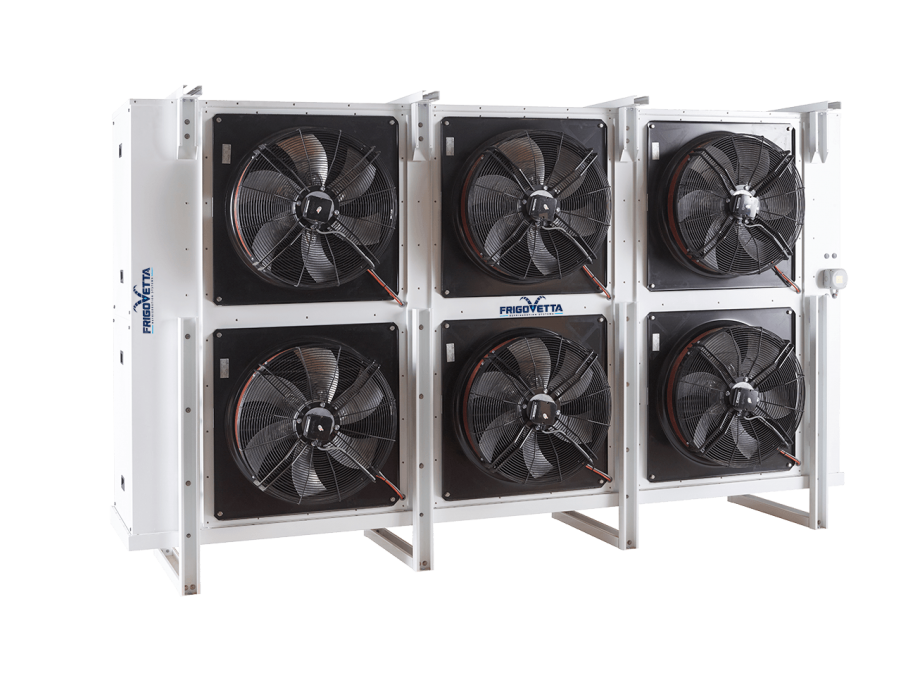
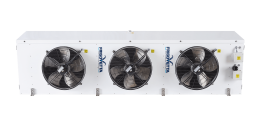
Suitable Cold Room Evaporators must be selected specifically for blast-freezing duty. Coil design, fin spacing and defrost arrangements should accommodate the expected frost load and production schedule.
Coordinated Refrigeration and Room Design
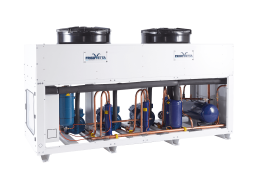
The refrigeration plant, evaporators, expansion devices and controls must work together at the specified operating conditions. Cold Room Panels and freezer doors also need to suit the installation.
Drainage, service access and defrost planning should be considered alongside the loading layout to support repeated freezing cycles. These details help align the refrigeration design with daily production requirements.
Share your product type, batch weight, entry temperature, target core temperature and required freezing time with Frigovetta Refrigeration System to discuss a suitable blast freezer refrigeration system.
| Feature | Description |
|---|---|
| Product Type | Refrigeration system for air-blast freezing |
| Primary Application | Rapid freezing of incoming products |
| Product Applications | Meat, poultry, seafood, bakery products and prepared foods |
| Refrigeration Capacity | Calculated from product load, freezing cycle and room heat gains |
| Temperature Selection | Room air and product core targets specified separately |
| Product Loading | Batch weight, product dimensions, packaging and loading layout |
| Evaporator Selection | Matched to freezing duty, airflow resistance and frost load |
| Defrost | Method and timing coordinated with the operating schedule |
| Refrigerant | Selected to suit equipment and project requirements |
| Electrical Supply | Defined by the selected equipment |
| System Scope | Refrigeration equipment and controls defined in the project specification |
- Provides refrigeration for active product freezing before frozen storage.
- Uses forced airflow to increase heat transfer at the product surface.
- Allows capacity and airflow to be matched to batch size and product characteristics.
- Supports freezing-cycle planning around defined product temperature targets.
Galeri