



Why Sliding Doors Become Difficult
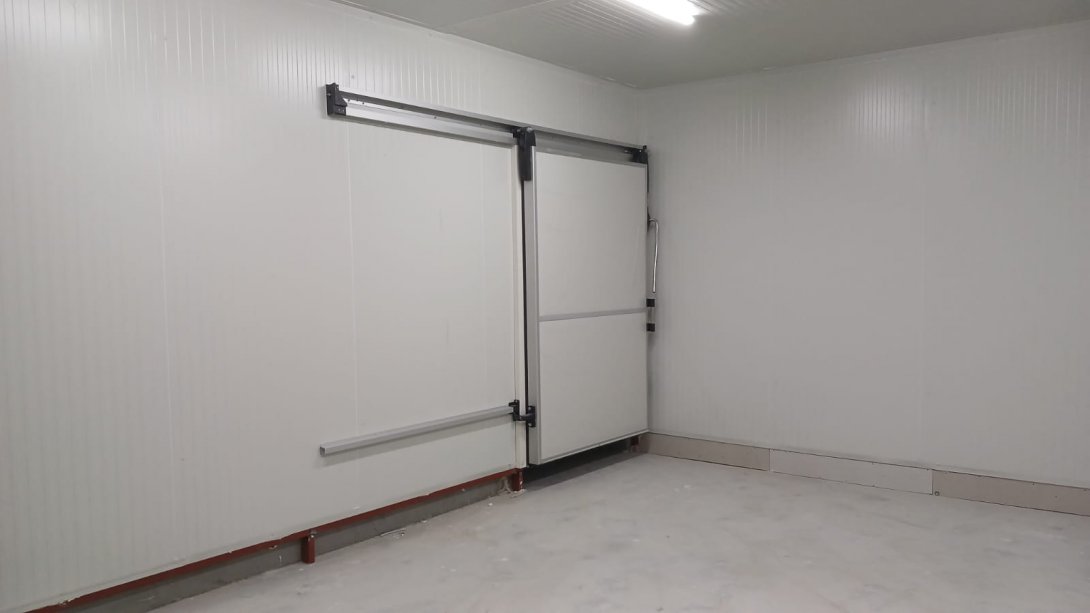
Why Sliding Doors Become Difficult
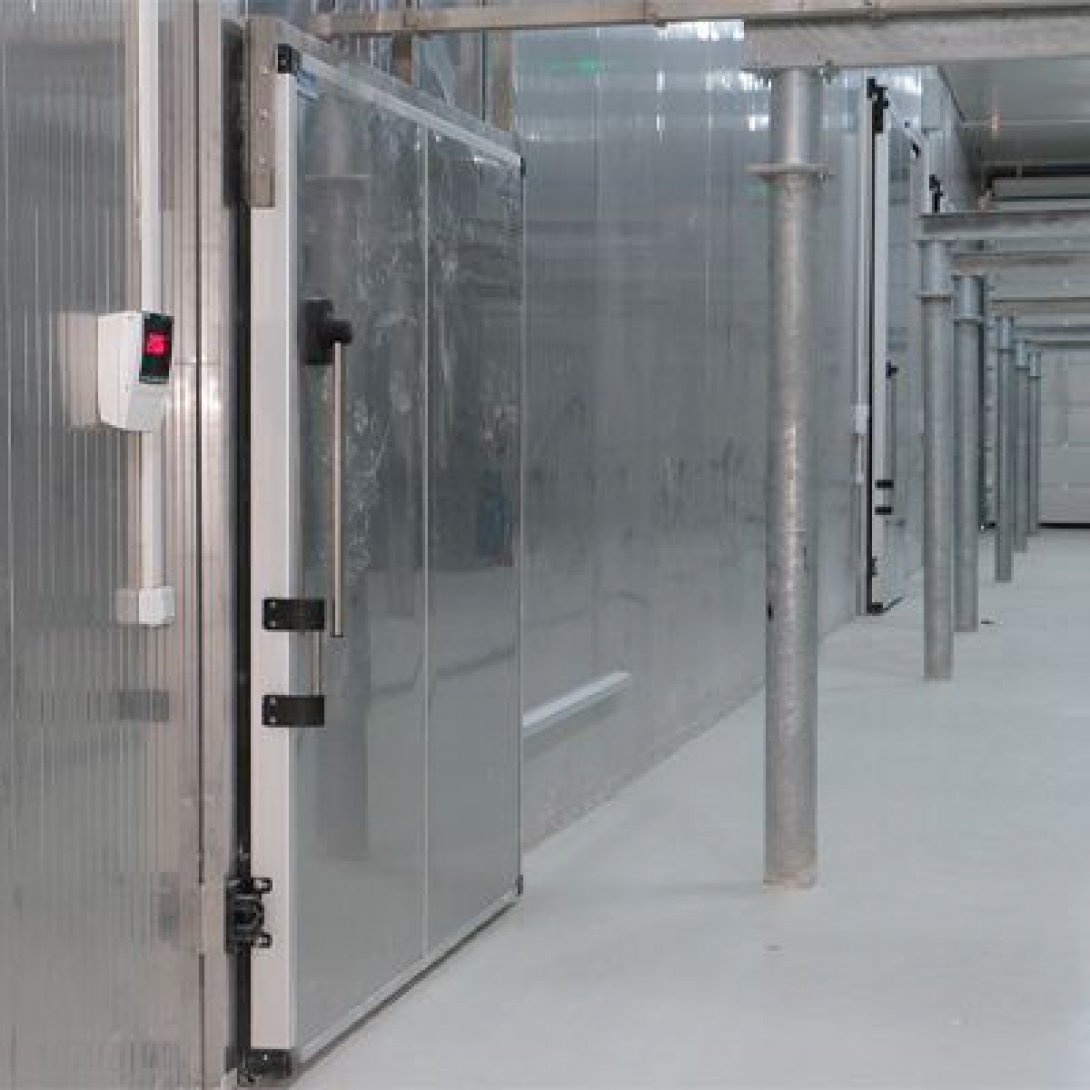
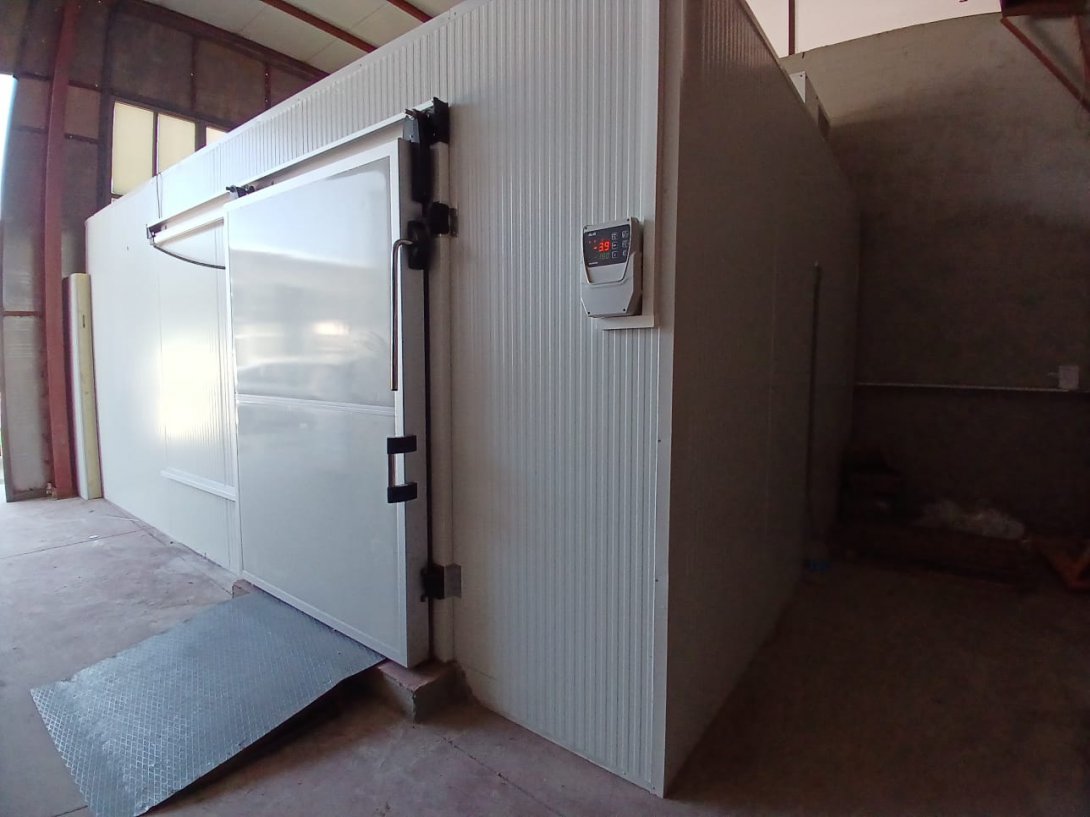
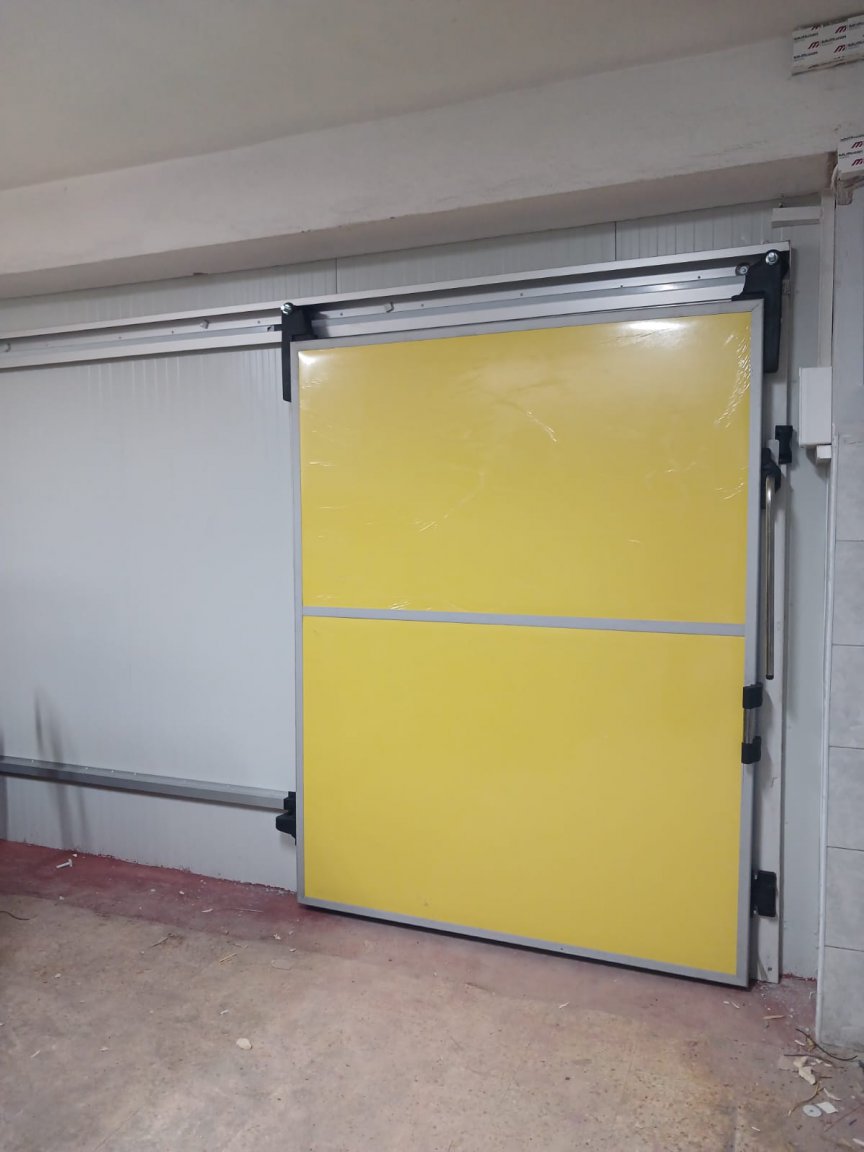
A sliding cold room door that once moved easily now needs a second pull. Before anyone adjusts the rollers or reaches for lubricant, establish where the resistance starts. Difficulty releasing a closed door points to different checks from a leaf that scrapes halfway across the opening.
Describe When It Happens
Ask the operator to describe the change: did it begin suddenly, follow a trolley impact, or develop over several days? Record whether it affects opening, closing or both.
| When resistance appears | Possible areas to investigate |
|---|---|
| Only when leaving the closed position | Lock or release operation, seal sticking or ice, pressure difference across the door |
| At the same point during travel | Local obstruction, damaged track or guide, contact with adjacent fittings |
| Through much of the movement | Roller condition, guide alignment, persistent rubbing |
| Near the fully closed position | Seal contact, debris at the closing edge, closing alignment |
These patterns guide inspection; they do not establish the fault. If the leaf appears unstable, a fixing has moved or the mechanism makes a new grinding sound, stop using the door and arrange a technical inspection.
Separate Initial Resistance From Drag
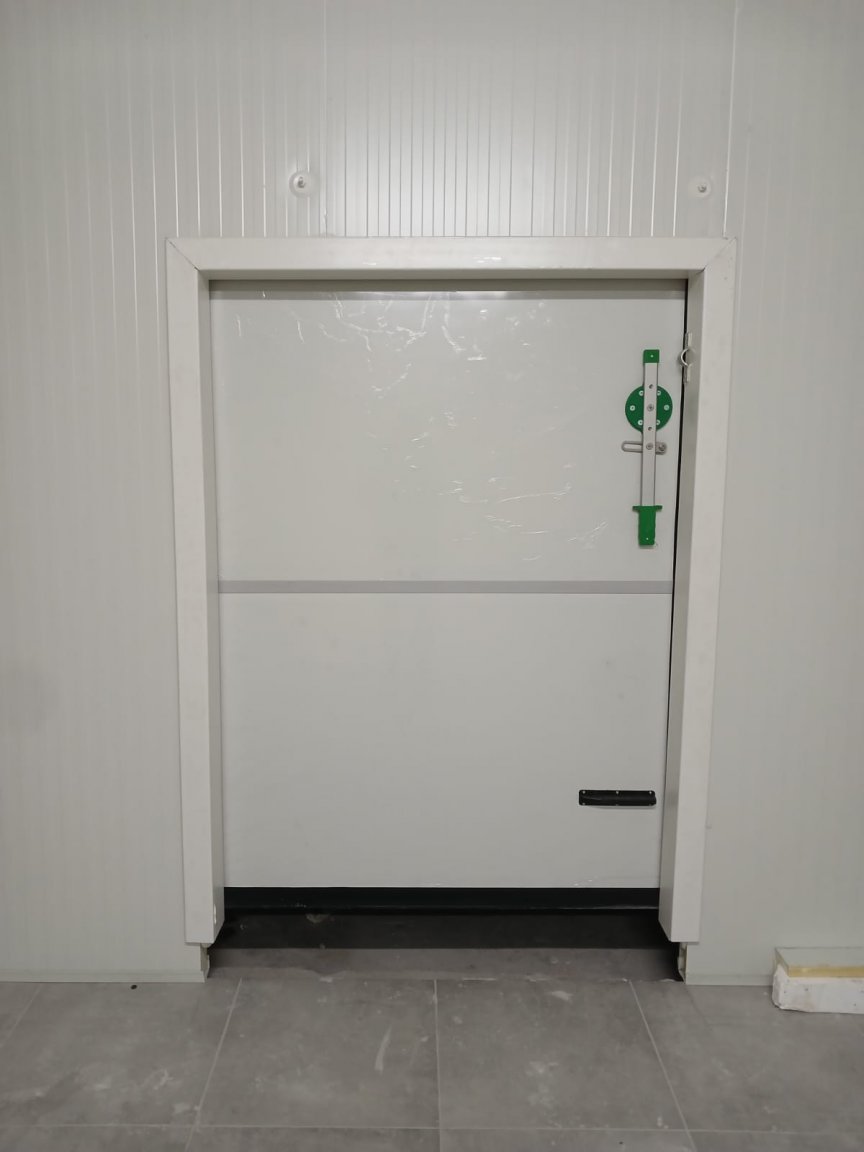
First check that the door is unlocked and its handle is being used as intended. Some systems use a lever action to release the leaf from its sealing position. Pulling elsewhere on the panel bypasses that intended action.
A pressure difference between the room and the surrounding area can also make initial opening harder. If the problem occurs mainly shortly after closing, report that timing. Where a pressure-relief device is fitted, its condition and suitability may need checking. Do not assume the rollers are responsible because the door feels heavy.
In freezer service, look for visible ice around the seals and threshold. Repeated icing calls for investigation of moisture entry, sealing and the specified heating system; forcing the leaf free does not resolve the cause.
Keep Initial Checks Simple
With the door secured against unintended movement under the site procedure, check accessible areas for packaging, dirt or objects contacting the leaf. Clean only as permitted by the maintenance instructions. Avoid reaching into rollers or removing covers for an informal inspection.
Do not spray a general-purpose lubricant over tracks, seals and rollers. Lubrication requirements depend on the hardware, and some components need no additional lubricant in normal service. Likewise, reducing seal pressure to make the door easier to move may compromise closure.
On a powered door, do not increase drive force or bypass a safety device to overcome resistance. Servicing requires the appropriate isolation procedure and a competent technician.
Give Maintenance Useful Evidence
Record the door identification, where resistance occurs and any recent impact, cleaning or repair work. Photographs of visible rubbing or ice can help without repeatedly operating a faulty door.
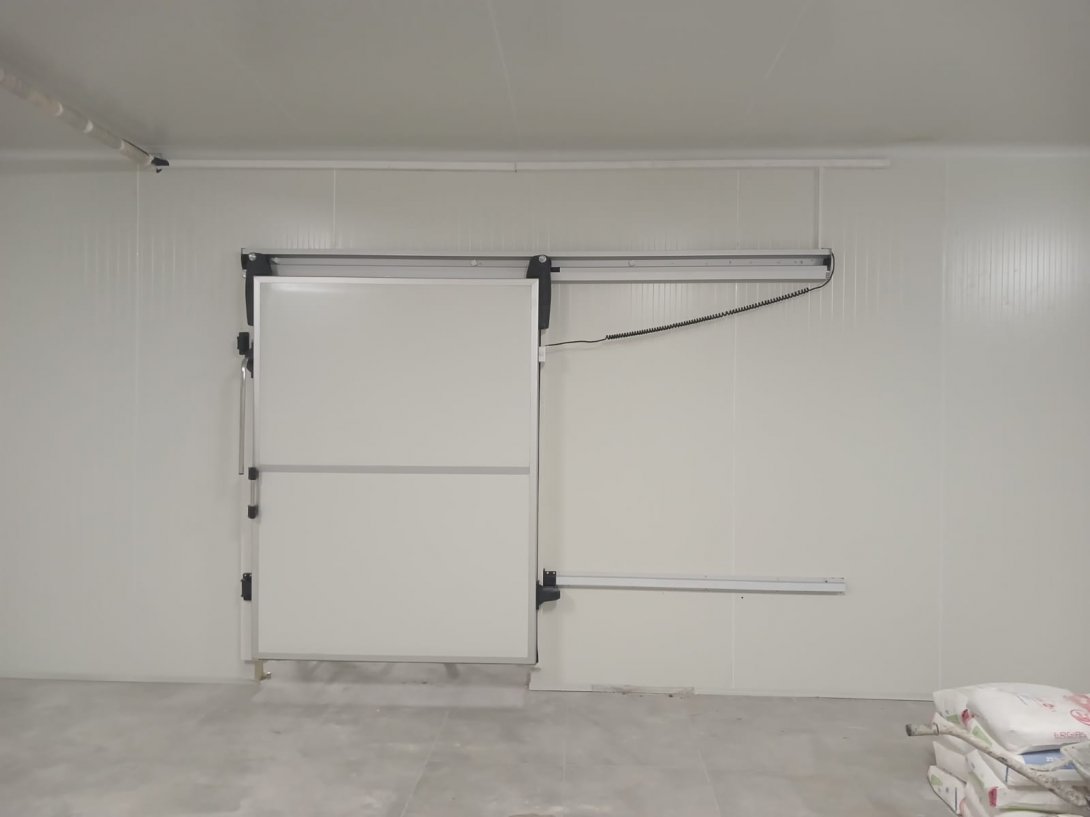
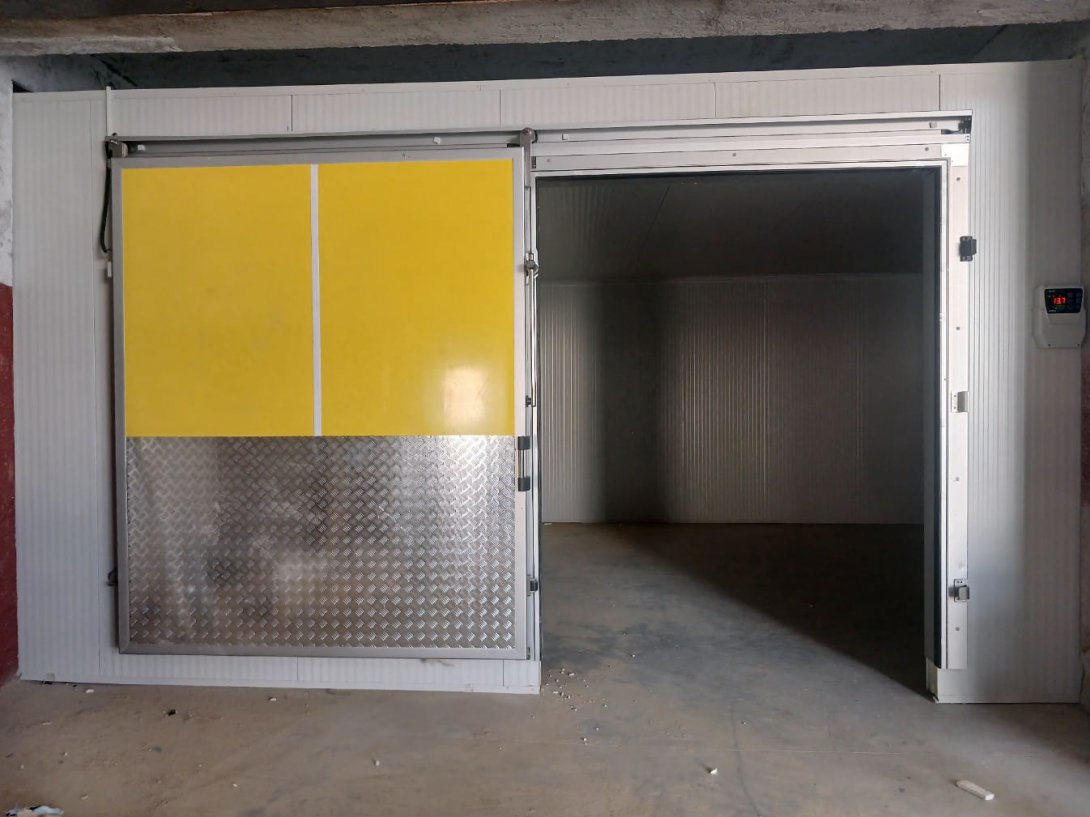
When arranging support for Sliding Cold Room Doors from Frigovetta Refrigeration System, include these observations. They help direct inspection towards the actual symptom before adjustments or replacement parts are considered.