



Checking Track and Guide Alignment
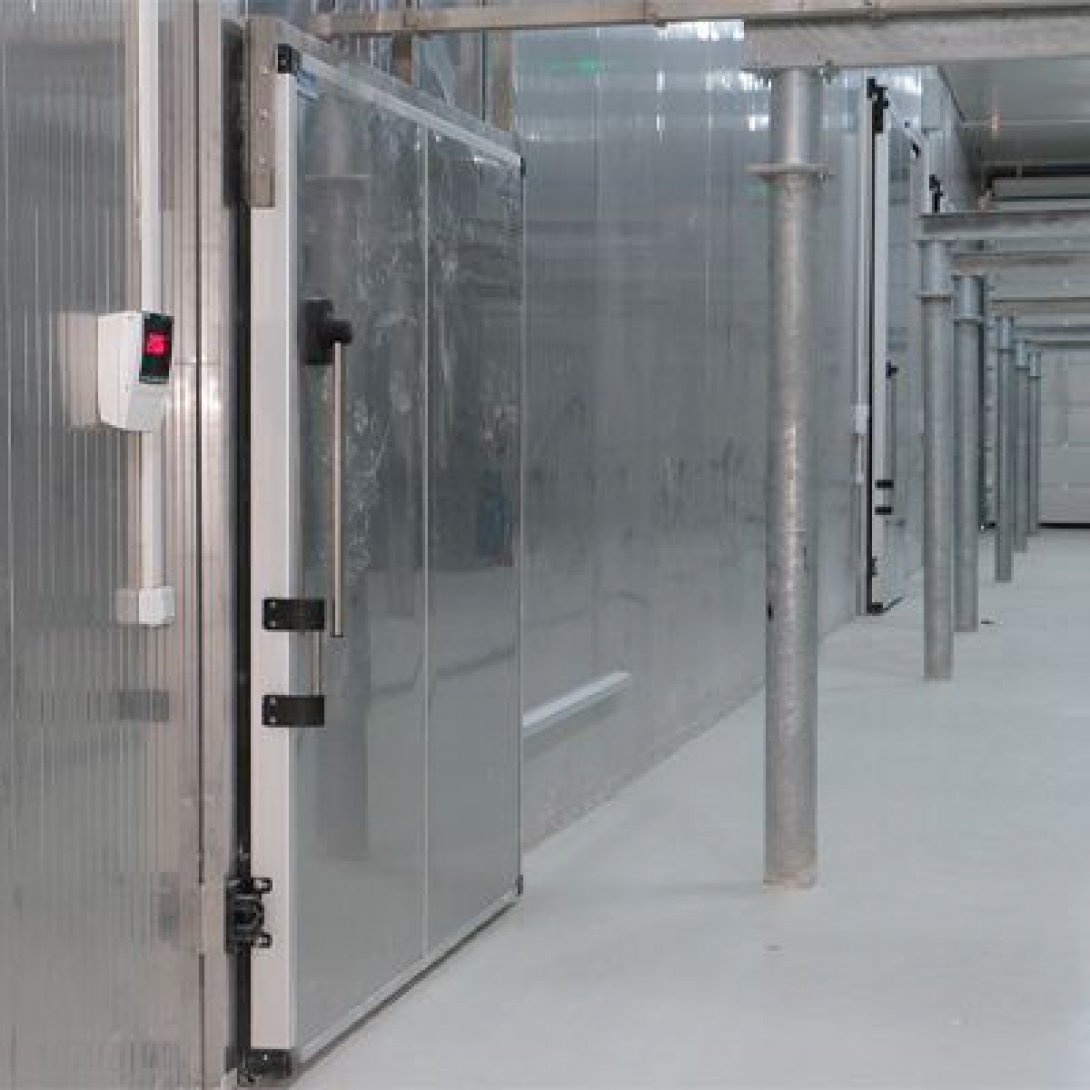
Checking Track and Guide Alignment
A fresh rubbing mark near the bottom of a sliding cold room door can draw attention straight to the lower guide. Yet the visible contact may originate higher up, where a hanger or supporting connection has changed position. Checking alignment means looking at the track, suspended leaf and guide as one assembly.
Establish the Intended Movement
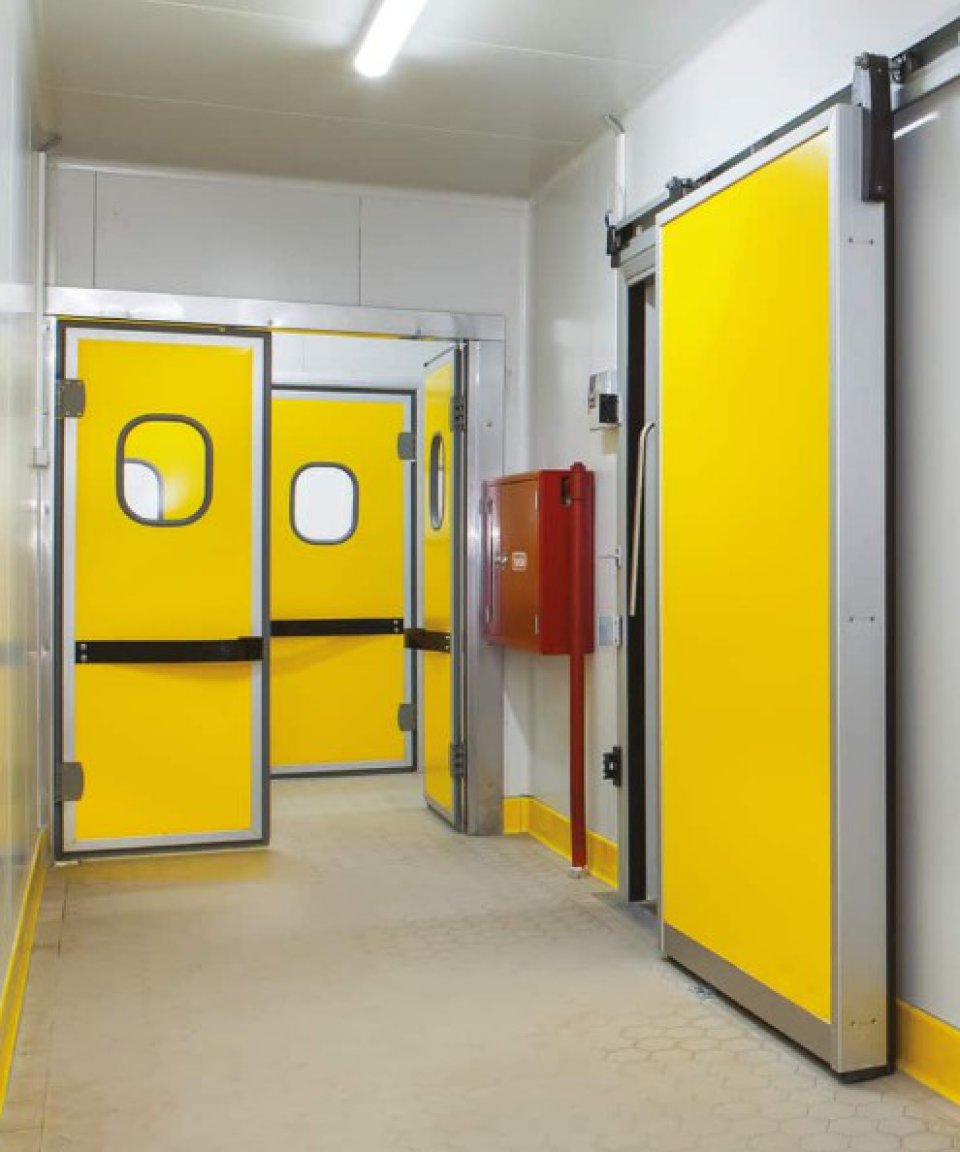
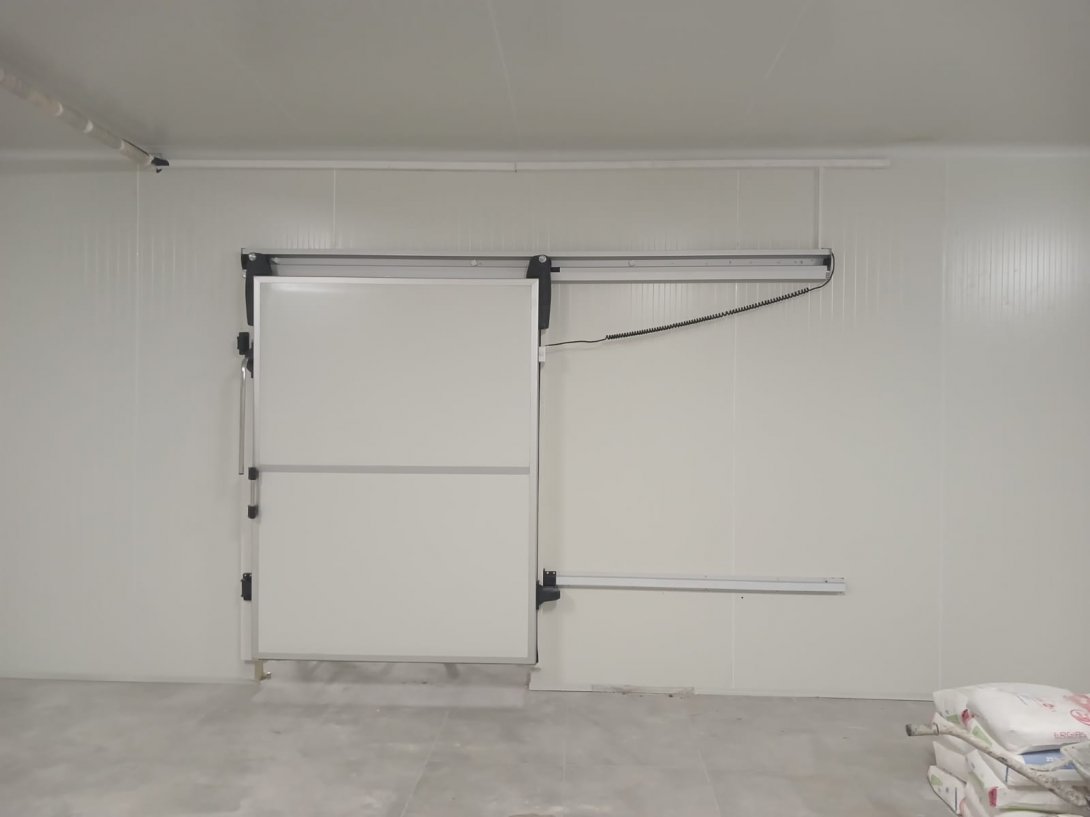
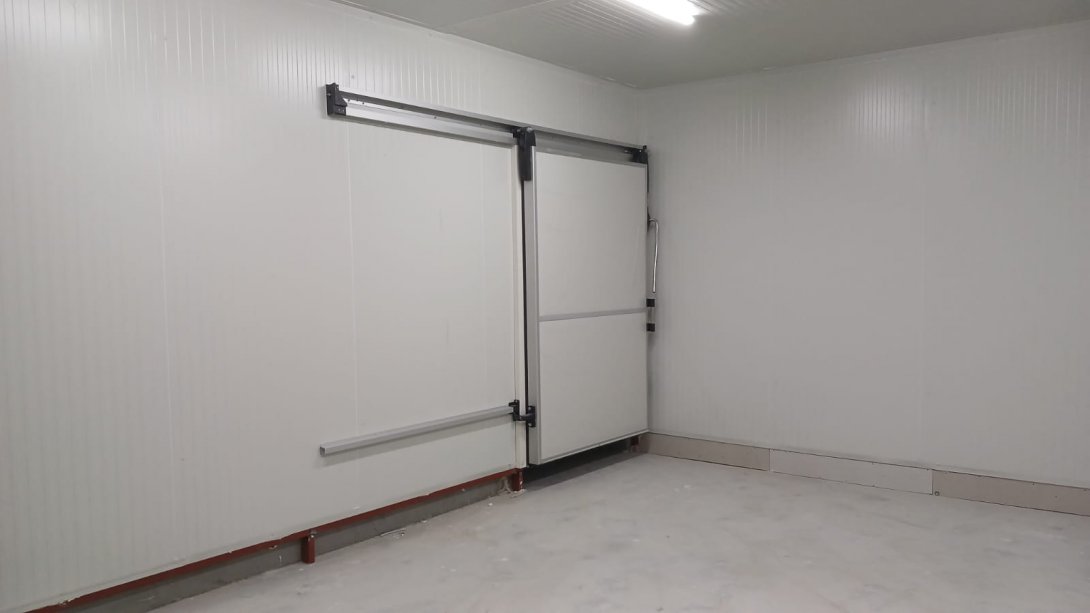
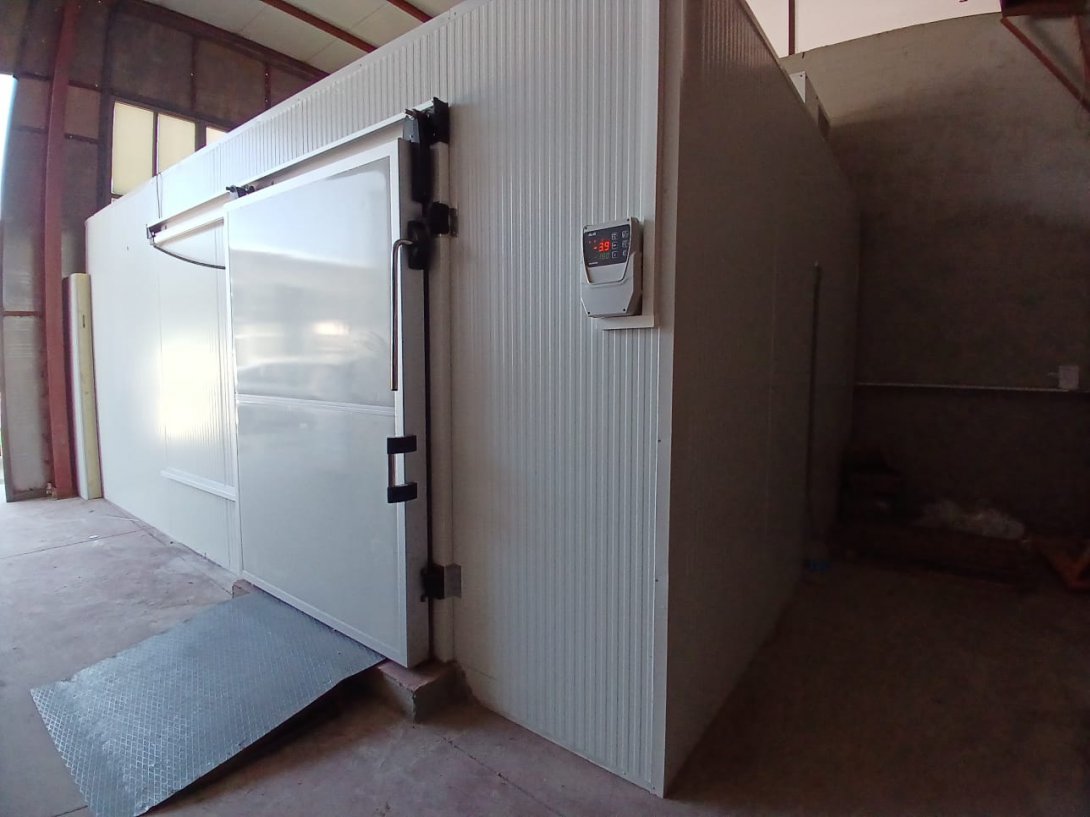
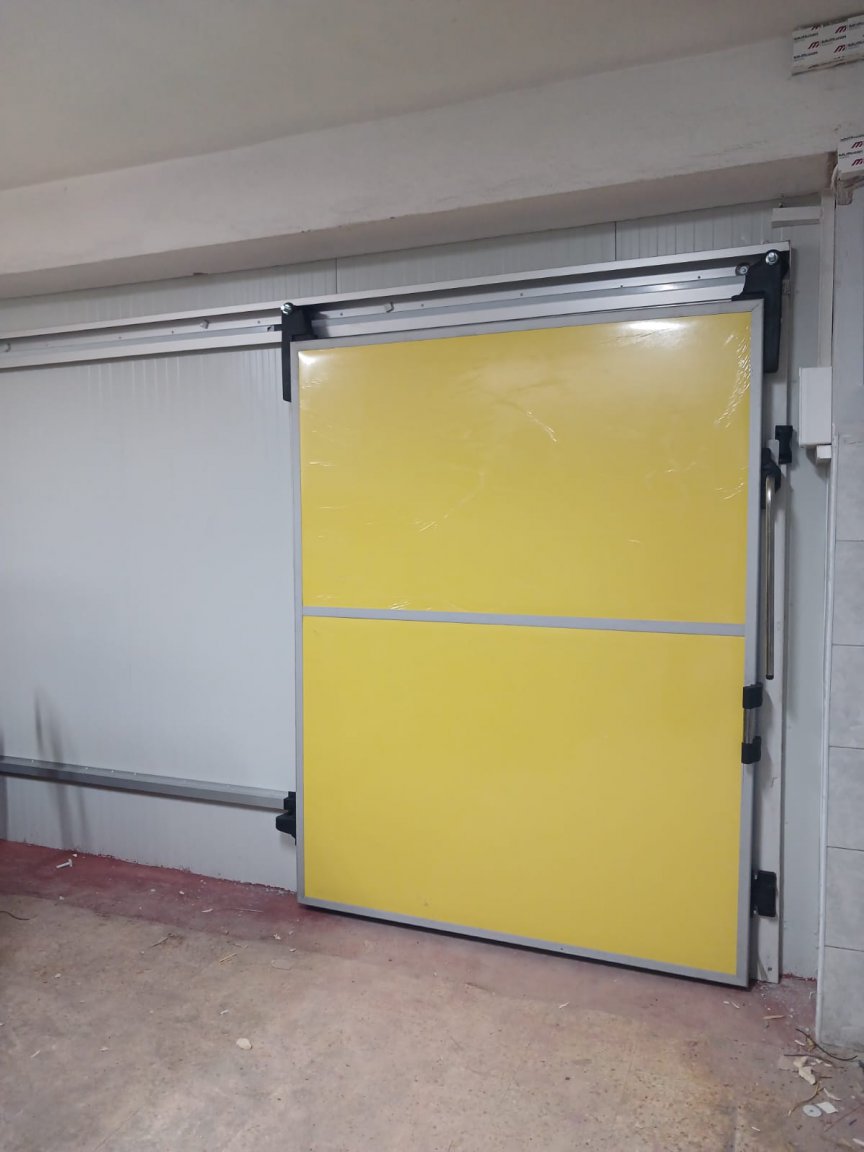
Start with the drawing and instructions for the installed hardware. On a top-hung system, the upper track and roller assemblies support the leaf, while lower guides control its path. Guide arrangements vary between models and may be fixed to the floor or wall.
Some cold room sliding doors move downwards and towards the frame during final closure to engage their seals. That designed movement should not be mistaken for sagging. Compare what the door does with its specified operation before deciding a component needs adjustment.
Use Consistent Reference Points
For a maintenance inspection, note the position of the leaf relative to the frame and finished floor at defined points. Earlier commissioning photographs or recorded dimensions are useful because they show whether the relationship has changed.
A gap judged by eye against a sloping floor or an uneven wall can be misleading. The technician should establish the correct reference surfaces from the installation detail and check the supporting structure as well as the hardware.
Useful observations to record include:
- A new rub mark on the leaf or guide.
- A bracket visibly displaced from its previous position.
- A change in the leaf’s relationship to the frame.
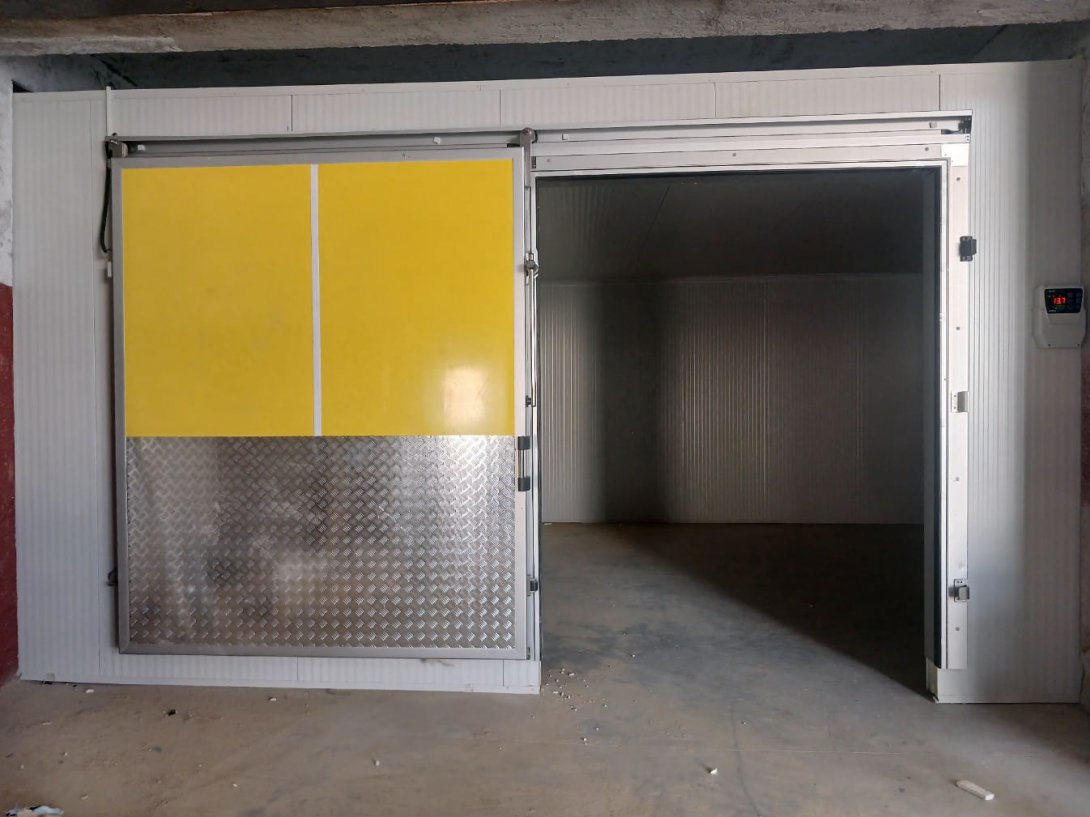
- Uneven meeting edges on a bi-parting door.
These observations identify areas for inspection, rather than proving which part has failed.
Check the Guide Without Forcing It
A guide should work with the intended leaf movement. Moving it to hide a rub mark may introduce pressure elsewhere or alter contact with the seals.
If the door is safe to operate, a competent person can observe its travel from a clear position under a controlled inspection procedure. Stop if the leaf jerks, appears insecure or a mounting moves. Hands-on checks require the door to be secured, with powered equipment isolated as appropriate.
Do not loosen hangers, track fixings or retaining devices during an informal check. Such work may require the leaf to be supported and must follow the hardware manufacturer’s procedure.
Verify Movement and Closure Together
After any correction, the technician should check the full travel, guide engagement and final sealing position. A door that slides freely but no longer closes correctly has not passed the check.
For bi-parting doors, inspect each leaf and their meeting position together. Record what was adjusted and retain the final measurements for future maintenance comparisons.
Keep the installation drawing and hardware identification with the maintenance records for your Sliding Cold Room Doors. When discussing alignment with Frigovetta Refrigeration System, these details help connect the reported change to the correct door assembly.