



Understanding Freezer Door Heating
Understanding Freezer Door Heating
A freezer door may slide normally during one shift, then resist opening when ice forms along its sealing surfaces. Door heating helps keep these contact areas free from ice so the leaf can release and close as intended. Its role is local: it protects the doorway’s working surfaces rather than controlling the room temperature.
Why the Sealing Area Needs Heat
Moisture from warmer surrounding air can freeze when it reaches cold surfaces around the opening. If ice bridges the contact between the gasket and frame, opening the door can pull against the seal. Ice can also interfere with full closure.
A freezer door heater supplies heat at specified locations to reduce that risk. Depending on the design, heating may be incorporated around the frame, along the leaf perimeter or near the bottom seal. The installation drawing identifies which areas are heated; the entire door surface is not necessarily warm.
Frigovetta Refrigeration System uses door heaters for freezer applications operating below −18°C to help prevent seals from freezing. For rooms operating at other temperatures, heating requirements should still be assessed against the door design and surrounding conditions.
Understand the Electrical Arrangement
A manually operated freezer door can still require an electrical supply for its heater. On an automatic door, a working drive does not prove that the heating circuit is operating correctly. The two functions may have separate supplies or controls.
At handover, make sure the heater circuit and its operating instructions are identified. Staff should know which equipment a labelled switch controls and whom to contact if a fault appears.
Avoid changing the heater’s operating schedule simply because the doorway looks dry. Follow the specified control strategy; the absence of ice may be the result of heating doing its job.
Report Where Ice Returns
When icing develops, record its exact location: one corner, the bottom edge, a meeting edge or a longer section of the frame. Note whether it followed cleaning, a busy loading period or an interruption to the electrical supply.
These observations help a technician distinguish a heating problem from excessive moisture entry or incomplete closure. A heater cannot compensate for a damaged seal or a door left partly open.
Do not judge heater performance solely by touching the frame. Surface temperature varies with operating conditions and construction. Electrical testing and access to heater channels belong with a competent technician using the appropriate isolation procedure.
Protect Heating During Door Maintenance
Gasket replacement and work near the threshold can bring tools close to concealed heating cables. Check the approved detail before removing retainers, drilling or cutting in these areas. An apparently minor repair should not damage a circuit hidden behind the finish.
For replacement components, confirm the specified heater type, electrical rating and installation route. A cable that physically fits is not necessarily suitable.
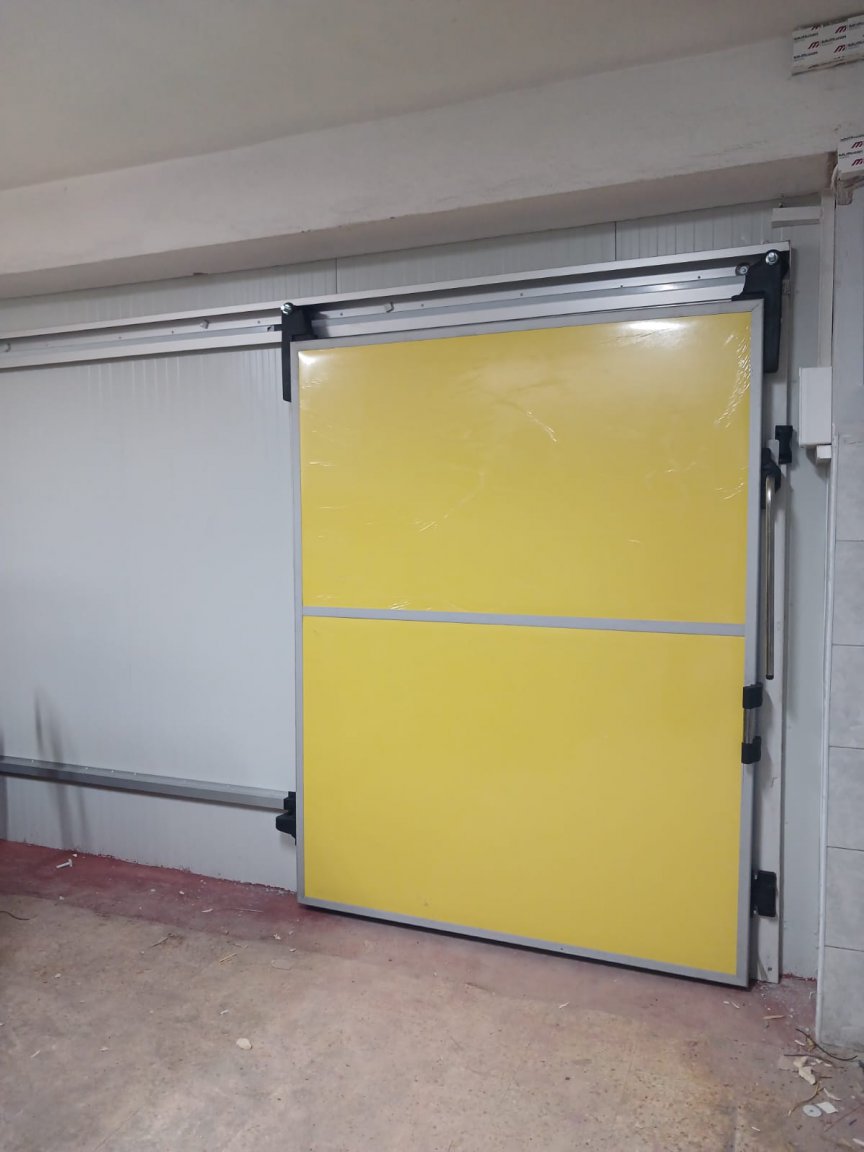
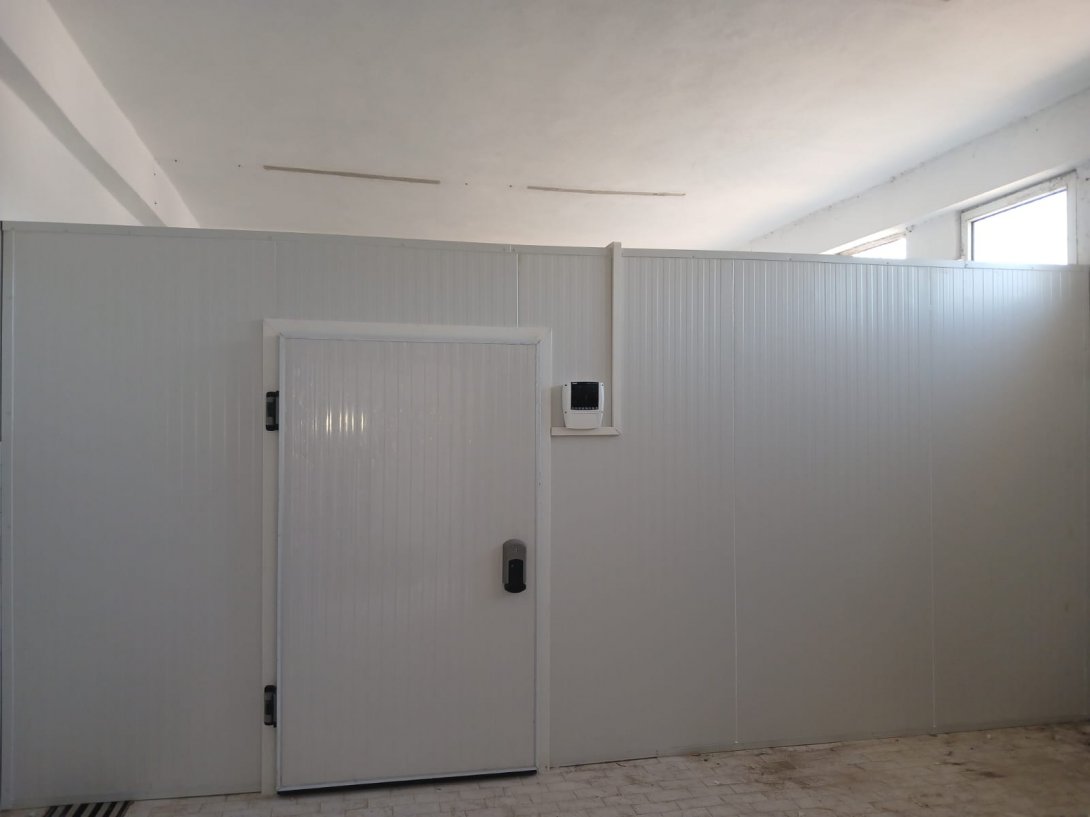
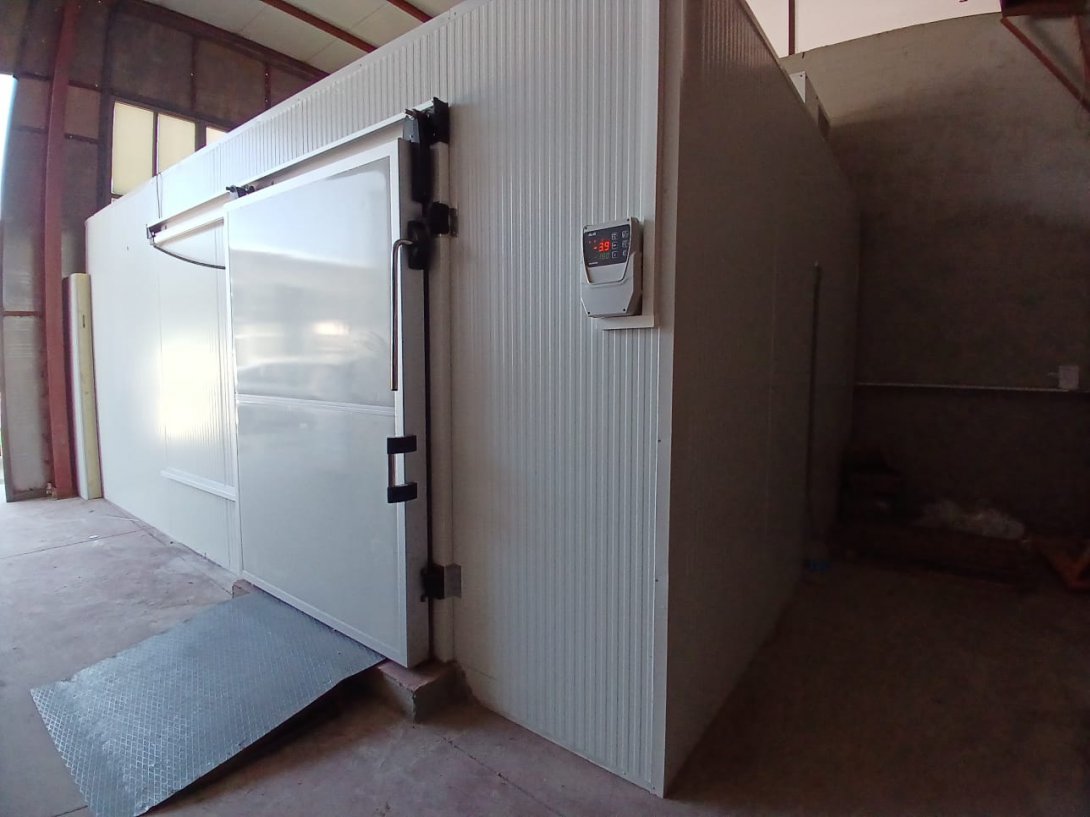
When specifying Sliding Cold Room Doors, include room temperature, surrounding conditions and cleaning practices in the project information. This helps Frigovetta Refrigeration System review the heating arrangement alongside the door’s sealing requirements.